
Agrifood Innovation Guide
Farmers and food producers have always adapted to new challenges, but today, agrifood innovation is reshaping the industry at an unprecedented pace. From AI-driven analytics to climate-smart farming, technology is driving new frontiers in efficiency, productivity, and sustainability across the global food system.
Australia leads the world in this transformation. With its world-class research institutions, investment-ready agrifood tech startups, and strong government support, the country is pioneering solutions for global food security, sustainability, and economic growth.
This guide explores the latest agrifood innovations, emerging trends, and Australia’s role in shaping the future of food production.
What is agrifood innovation?
Agrifood innovation refers to advancements and technological solutions aimed at enhancing the agriculture and food production industries. It focuses on improving efficiency, sustainability, and productivity across the food supply chain, from farm to fork.
Why is agrifood innovation important?
- Global challenges:
With the global population expected to reach 9.8 billion by 2050, food production must increase without depleting already degraded natural resources. Agrifood innovation is driving more sustainable solutions – improving yields while reducing waste, soil degradation, water use, and emissions. Precision agriculture, regenerative practices, and biotechnology are helping farmers grow more with less, ensuring long-term food security without compromising the planet.
- Climate resilience:
Extreme weather, more frequent droughts, and rising temperatures threaten agricultural production. Without innovation, farming risks becoming increasingly unpredictable and unsustainable.
Advances like precision irrigation, drought-resistant crops, and soil health technologies –including regenerative agriculture and microbial soil enhancers – are helping farmers adapt while promoting long-term productivity and resilience.
RELATED: What is precision agriculture?
RELATED: What is ag biotechnology?
- Food security:
Global supply chains face disruptions from climate events, geopolitical tensions, and economic instability. Advanced storage solutions, blockchain traceability, and IoT monitoring improve food security by reducing loss and enhancing supply chain transparency. Alternative proteins, such as lab-grown meat and dairy, and plant-based options, diversify protein sources and reduce reliance on climate-exposed traditional livestock production.
RELATED: Alternative protein: Your 101 guide
- Economic growth:
Agrifood innovation fuels regional development, creating jobs in farming, agritech, and logistics – driving efficiency and productivity in the sector.
Investment in agritech startups accelerates the adoption of solutions that make Australian agriculture more competitive globally. Advancements in traceability, for example, are enhancing value of agricultural exports, securing premium product quality and access to high-value markets.

Examples of agrifood technology
1. Vanilla domes for premium vanilla production
Innovative geodesic domes allow Australia to grow high-quality vanilla outside the tropics.
2. Eco-friendly fertilisers by Nitronic and MaxSil
Australian startups are developing sustainable fertilisers that enhance soil health while reducing environmental impact.
3. ICL’s smart fertiliser innovation
ICL is exploring how plants could "communicate" their nutrient needs, optimising fertiliser use.
4. LyteGro’s banana waste biotech solution
LyteGro repurposes banana waste to produce BacLyte, a microbial growth enhancer for fermentation-based industries.
5. HydGene Renewables’ sustainable green hydrogen solution
HydGene Renewables is converting agricultural waste into green hydrogen, powering a more sustainable food system. Read more
6. AI-powered pruning of medicinal cannabis
QUT Centre for Robotics is automating medicinal cannabis pruning to overcome skilled labour shortages. Read more
7. The racehorse tech that could transform healthcare
Originally developed for racehorses, XREq’s advanced imaging could transform global healthcare. Read more

Agrifood trends
Sustainability focus:
Sustainability is driving a fundamental shift in agriculture, with innovations targeting carbon reduction, water, soil, and biodiversity conservation, and waste minimisation.
Carbon farming initiatives are gaining traction, incentivising farmers to sequester carbon and improve soil health. Precision irrigation systems and soil carbon measurement tools are helping producers monitor and reduce their environmental footprint.
Meanwhile, companies like Lincoln Agritech are turning emissions into opportunity –capturing methane from enclosed environments like barns and converting it into valuable by-products such as formic acid to offset operational costs.
AI and data analytics:
Artificial intelligence is transforming decision-making, enabling more precise and efficient food production from paddock to plate.
AI-driven platforms like Regrow are simplifying the management of regenerative agriculture, giving food and fibre supply chains the tools to measure on-farm emissions and reduce their Scope 3 footprint. Advanced computer vision technologies, such as Map and Zap, are tackling herbicide reliance by mapping early-stage weeds and eliminating them with targeted laser ‘zaps.’
As AI adoption grows, these predictive and automated systems are shaping a smarter, more responsive food system.
RELATED: How exactly is AI used in agriculture?
Circular economy models:
By closing resource loops and minimising environmental impact, circular economy models, which repurpose ‘waste’ into valuable products, are redefining agricultural efficiency.
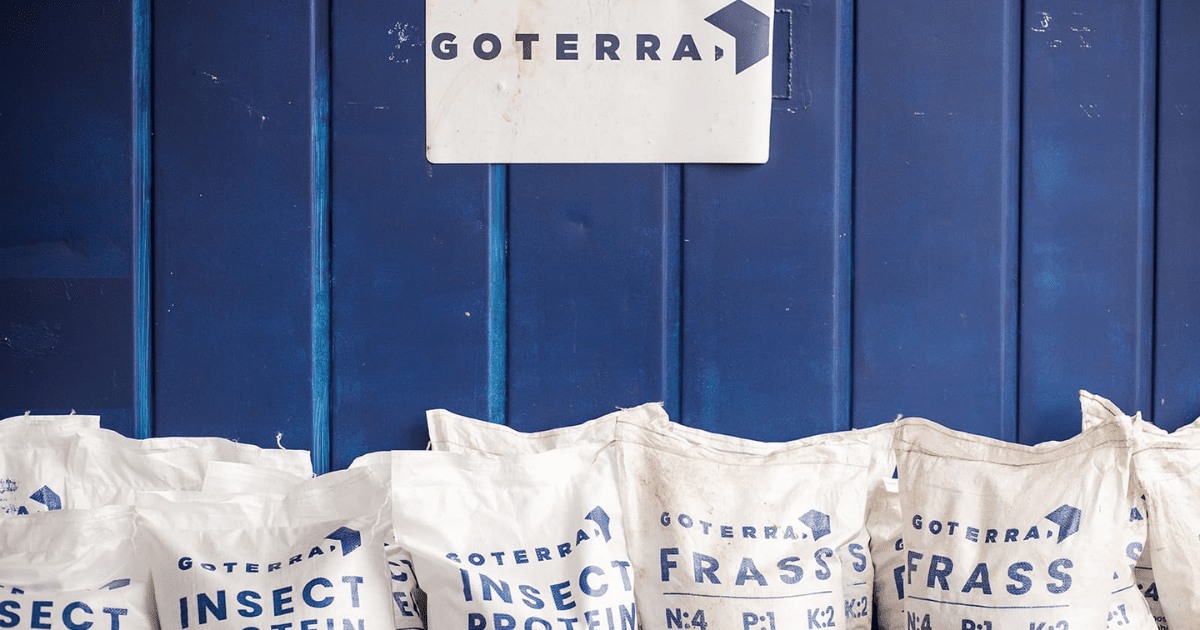
Innovations such as Goterra’s insect-based food waste recycling are offering scalable solutions for organic waste management, converting waste streams into protein-rich livestock feed.
On-farm anaerobic digesters are taking circular economy practices a step further, transforming manure and organic waste into renewable energy, allowing farms to generate their own power.
Urban agriculture:
Vertical farming and hydroponic systems are redefining the ‘farm’ – looking beyond green paddocks to city carparks, office buildings, and abandoned warehouses. Closed environment agriculture means fresh produce can be grown in urban areas, making nutritious food more accessible while using significantly less land and water.
Community-driven ventures like Farmwall are bringing urban agriculture into workplaces and classrooms, using fully-integrated vertical aquaponic farms to reconnect people with their food and provide hands-on education.
Australia’s role in agrifood innovation
Natural resources:
With its vast farmlands, diverse climates, and advanced research capabilities, Australia is uniquely positioned to lead in sustainable farming practices. From regenerative agriculture to carbon sequestration, the country is pioneering initiatives that enhance soil health, increase biodiversity, and reduce environmental impact. Innovations such as microbial soil enhancers and precision grazing techniques are helping farmers optimise productivity while improving land stewardship.
READ MORE: Regen ag 101 – Your guide to regenerative agriculture
Export leadership:
Australia’s reputation as a supplier of high-quality agrifood products is strengthened by world-leading innovations in traceability, biosecurity, and sustainable production. Technologies like blockchain-integrated supply chains and DNA-based food provenance systems ensure authenticity and transparency in exports, giving Australian products a competitive edge in premium markets.
RELATED: Innovative Aussie supply-chain monitoring solution keeping fresh food better for longer
Additionally, advancements in plant genetics and drought-resistant crops are enabling higher yields with fewer resources, ensuring Australia’s position as a leader in global markets for sustainable food.
RELATED: A sweet future for Australia’s biggest plant protein crop
Government support:
Australia’s national and state governments play a critical role in fostering agrifood innovation through policies, funding programs, and strategic partnerships. Initiatives like Delivering Ag2030 aim to grow the agriculture sector to $100 billion by 2030, while government-backed rural research and development corporations are partnering with research providers to drive the next generation of breakthroughs in agrifood innovation.
Government-backed Austrade initiatives and incubators such as AgriFutures Australia’s Agventure Downunder provide critical support for startups, ensuring that new technologies move from research labs to commercial adoption at scale.