
What is Ag Biotechnology
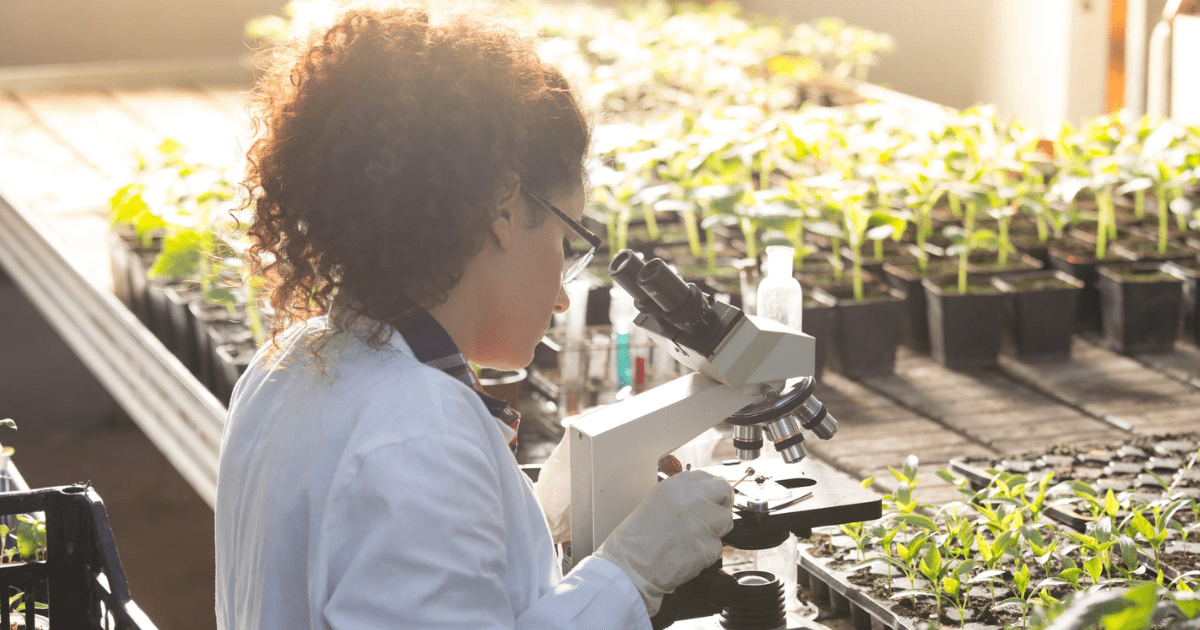
Ag biotechnology involves using scientific techniques and tools, including genetic engineering, molecular markers, and tissue culture, to modify and improve plants, animals, and microorganisms for agricultural purposes.
How is Ag Biotechnology being used?
Biotechnology in ag has emerged as an important tool for farmers to produce food and agricultural products that are more resilient, nutritious, and sustainable, helping to meet the growing global demand of food production.
Modern biotechnology uses genetic engineering, molecular markers and tissue culture to genetically modify plants and organisms. A GMO, or genetically modified organism, is a plant, animal, or microorganism that has had its DNA altered, often by transferring specific genes between organisms.
For example, a Hort Innovation macadamia research project identified key traits to enhance in a second-generation of macadamia trees, focusing on improving nut yield, disease resistance, and overall tree health. These new elite varieties now give the industry a competitive edge in international markets.
Ongoing biotechnology research and development initiatives are gradually transforming many global industries. For instance, in agriculture, biotechnology can create foods that are richer in nutrients, last longer, and have fewer natural toxins. It can also alter the look, taste and texture of various plants, allowing the creation of new, improved varieties that cater to consumer preferences and market demands.
Biotech crops might also give rise to a new pharmaceutical industry, using plants to produce medicines more sustainably and cost-effectively. In environmental applications, genetically engineered plants are being developed for phytoremediation, which involves detoxifying pollutants or absorbing harmful substances from the soil, leading to improved soil quality.
Beyond plant improvements, Lipideon Biotechnology AG is illustrating how biotechnology can help develop medications that reduce cholesterol and fat absorption in the small intestine, addressing arteriosclerosis and cardiovascular diseases.
What are the benefits of ag biotechnology?
While traditional methods of genetically engineering plants and animals like cross-breeding and selective breeding have been used for over 10,000 years, modern biotechnology can achieve the desired outcomes more efficiently and precisely.
Today, biotechnology allows scientists to transfer beneficial genes, such as those for insect resistance or drought tolerance, into plants. The goals remain the same: higher yields, reduced crop loss, longer shelf life, better appearance, and improved nutrition.
Higher Yields
Ag biotechnology enables the development of genetically modified (GM) crops that produce higher yields. By incorporating traits that enhance growth, resilience, and productivity, these crops can significantly boost food production, helping to meet the demands of a growing global population and ensuring food security.
Reduced crop loss
Ag biotechnology plays a crucial role in reducing crop loss by improving plant resistance to pests and diseases through genetic modifications. This process improves yield stability, decreases reliance on chemical pesticides, and promotes sustainable farming practices, ensuring more reliable harvests and greater food security.
Longer shelf life
Ag biotechnology extends food shelf life by modifying genetic traits that enhance resistance to spoilage and decay. For example, genetically engineered tomatoes can delay ripening, prolonging freshness and reducing waste throughout the distribution and retail processes.
Better appearance
Ag biotechnology can improve a product’s appearance by modifying specific genetic traits. For example, genetically engineered strawberries can be grown to have a vibrant or unusual color, a uniform size, and improved shelf appeal, making them more attractive to consumers and increasing market competitiveness.
Improved nutrition
Ag biotechnology can improve nutrition by genetically modifying levels of vitamins, minerals, and beneficial compounds in fruits, vegetables, and grains. This process effectively addresses nutritional deficiencies, supporting a healthier diet and improved public health outcomes.
5 Ag Biotechnology companies you should know
1. Sustinent
Sustinent Pty Ltd is an Australian biotechnology company focused on environmental solutions. They work with farmers to turn leftover crop and food waste into useful products using fungal biotechnology. This helps farmers earn more money from waste, manage it better, and helps the environment.
2. Gondwana Genomics
Gondwana Genomics is a biotechnology company at the CEAT Innovation Hub in the ACT. They test plant DNA using Marker Assisted Selection (MAS) to improve breeding. Focusing on eucalyptus and acacia trees they are able to find genetic markers that predict tree performance to speed up the breeding process. They also offer DNA services like extraction, sequencing, and custom marker development.
3. Goterra
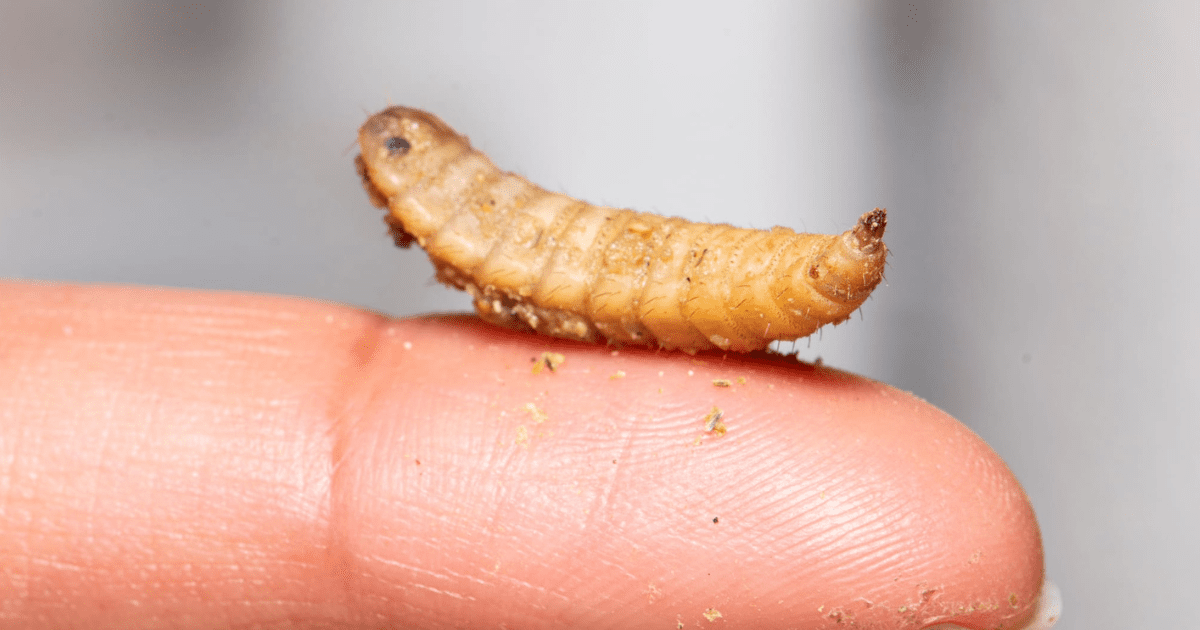
Based in Australia, Goterra uses insects to convert organic waste into useful products like animal feed and fertiliser, supporting a circular economy by turning waste into valuable resources. Their modular containers can operate on-site or centrally, reducing greenhouse gas emissions significantly compared to landfill methods of waste management.
4. Loam Bio
Loam Bio, an Australian biotechnology company, develops microbial technologies to enhance soil carbon sequestration. By using microbes to build organic carbon in the soil, they can improve soil health and fertility, protect plants against diseases and fight climate change.
5. Bayer
Bayer AG, a German multinational, ranks among the world's largest pharmaceutical and biotechnology firms. They specialise in developing chemical and biological products to improve plant health and crop yields, including high-value seeds and biotechnological solutions for pest and disease resistance.