Six agrifood innovations to watch in 2025
Agriculture, like many industries, is undergoing a technological revolution. Over the past five years alone, the industry has seen transformative advancements in precision agriculture, biotechnology, robotics and renewable energy. These developments are reshaping how we grow, harvest and package food, driven by the urgent need to address climate change, enhance food security and achieve sustainability. Each innovation brings us closer to a more efficient and sustainable system to feed a growing global population.
In 2025, the question isn’t just about how we can increase food production - it’s how we can do so in a way that minimises our impact on the planet and maximises the efficiency of every acre. This is where innovation intersects with necessity - new solutions that won’t just improve productivity, but also address the global crises of our time.
This article highlights six agrifood innovations selected through collaboration between the experts at growAG. and evokeAG., who have identified the agritech trends and foodtech developments likely to have the greatest impact on the industry in the coming year. Drawing on firsthand insights, emerging research and the latest industry developments from growAG. and evokeAG.’s extensive networks - spanning partnerships with research institutions, startups, corporates and investors - this article provides a unique perspective on the technologies transforming the agrifood ecosystem.
Here are the six agrifood innovations that will shape the sector by 2025:
1. Carbon reduction in agriculture
The agriculture sector is often seen as a culprit in the climate change debate, accounting for a significant portion of global greenhouse gas emissions. However, carbon reduction in agriculture is beginning to reshape the industry as farmers increasingly adopt technology to reduce emissions and capture carbon.
Companies - not countries- around the world are leading the charge, with many pledging to cut emissions to 30% by 2030. To achieve this, 2025 will likely see technologies like Rumin8 (alternative feed supplements that reduce methane emissions) and industry-wide adoption of greenhouse gas emission reduction practices, such as the Australian Pork Industry’s Roadmap, take off.
As carbon becomes the modern "currency" of agriculture, efficient, low-emission farming will be key to meeting these targets and securing future market opportunities. Companies like AgriProve who are helping producers measure and monetise their carbon capture will become vital partners for farmers in meeting global sustainability goals.
-width-1680.png)
2. Robotics, automation and energy-efficient machinery
Next-generation robotics and electric/hybrid machinery are transforming agriculture in ways we never thought possible.
The use of robots in agriculture will have industry-wide impacts, from fixing labour shortages to tackling food waste. In the next few years, this innovation will likely give rise to fully automated agricultural production systems, with emerging trends pointing to a focus on autonomous harvesting and precision agriculture.
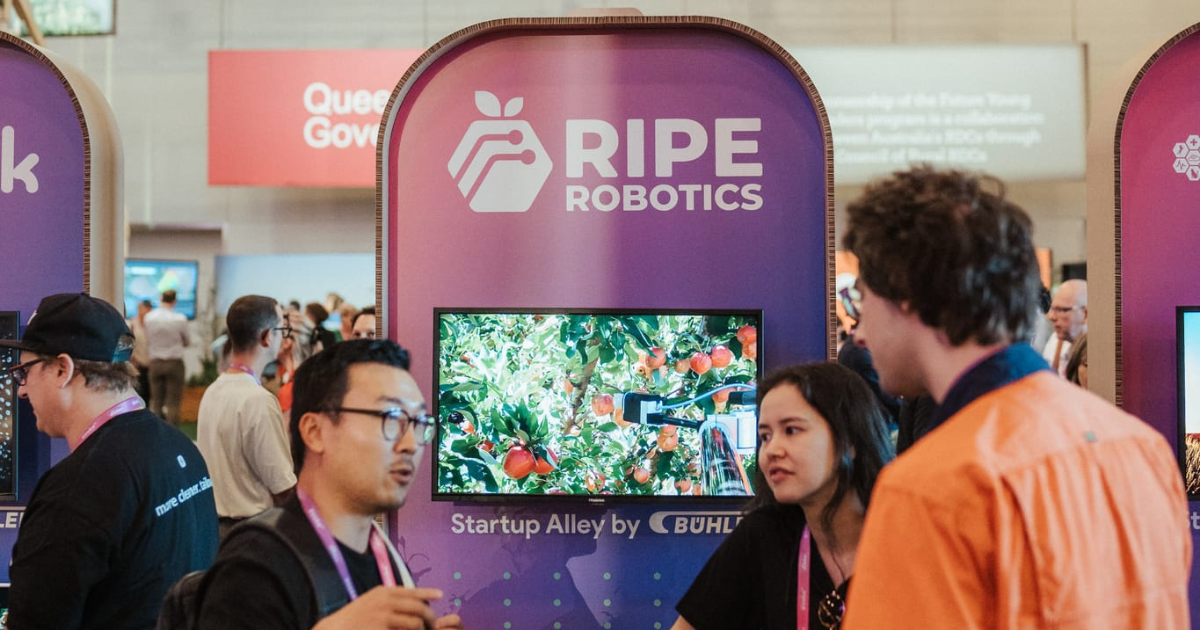
Ongoing research is centred around improving robot adaptability and performance. Companies like Ripe Robotics are leading the charge, developing robots capable of apple-picking, pruning and precision spraying.
As robotics and automation progress, we can look forward to fully automated farming operations that will improve efficiency, reduce waste and drive higher yields.
3. Biotechnology in crop development
Biotechnology in crop development, driven by genetic modification (GM) and bioengineering, has seen unmatched adoption among farmers worldwide. In 2019, GM crops were cultivated by 17 million farmers across 190.4 million hectares in 29 countries, surpassing the impact of previous agricultural innovations.
This technology not only benefits crop resilience by enabling plants to endure harsh conditions like drought, pests and disease, it also contributes to greater sustainability by reducing reliance on chemicals. In the coming years, research focused on developing climate-resilient crops to address challenges like drought tolerance and pest resistance through gene editing technology will make crop improvements even more precise and impactful.
Innovative research in plant biotechnology, synthetic biology, soil science and process engineering is driving progress, with companies like Gondwana Genomics offering plant DNA testing services through Marker Assisted Selection (MAS) to improve breeding programs. As these technologies mature, they promise to address global challenges such as food security, sustainability and the effects of climate change, ensuring agriculture remains adaptive to change in the decades to come.
4. Sustainable packaging solutions
As consumer demand for eco-friendly products grows, agricultural businesses will increasingly turn to innovative packaging materials like biodegradable plastics, plant-based fibers and recyclable options. These sustainable alternatives can significantly cut down on single-use plastics, which are major contributors to pollution.
For example, research by Dr. Nasim Amiralian from the University of Queensland has led to the creation of packaging from sugarcane waste, offering antimicrobial properties that extend produce freshness. This technology reduces the carbon footprint, making packaging more sustainable while addressing both plastic waste and agricultural food waste.
Similarly, C4C Packaging has successfully developed a responsibly sourced carton packaging production line for Australia’s wine and Ready-to-Drink (RTD) products industries. These products lie on the frontier of a mass movement towards sustainable packaging solutions and more eco-conscious agricultural practices.

5. Advanced bio fertilisers and soil enhancers
Advanced biofertilisers and soil enhancers offer a more sustainable and efficient alternative to chemical fertilisers by harnessing beneficial microorganisms and organic compounds to improve soil health and promote healthier plant growth.
The sustainability benefits this innovation offers are significant. By promoting natural processes within the soil, such as microbial activity, biofertilisers can improve long-term soil fertility and reduce the carbon footprint of farming. As adoption grows, they will be key to transitioning agriculture toward more eco-friendly, efficient and resilient systems.
Companies like Food2Soil are already making ground in this space by turning commercial food waste into an advanced biofertiliser. In coming years, innovation from companies like ICL, who are “hacking” into the natural communication system of plants, will support nutrient uptake and help plants access the resources they need more efficiently. Continued research and adoption will not only see more eco-friendly, soil enhancing products on the shelves in 2025, but will also drive a drastic shift in agricultural practices towards sustainability.
6. Green hydrogen from agricultural waste
In 2025, green hydrogen is expected to become an increasingly vital tool as a cleaner alternative to the carbon-intensive processes currently used in farming, food production and supply chains.
Agricultural waste - such as crop residues, animal manure, food processing byproducts or energy crops - can be repurposed into green hydrogen. These materials, which are typically discarded or burned, are rich in carbon and can be processed through clean energy methods like electrolysis, powered by renewable sources such as solar or wind. This reduces both agricultural waste and its environmental impact while creating a carbon-neutral alternative to traditional hydrogen production to support the decarbonisation of agriculture.
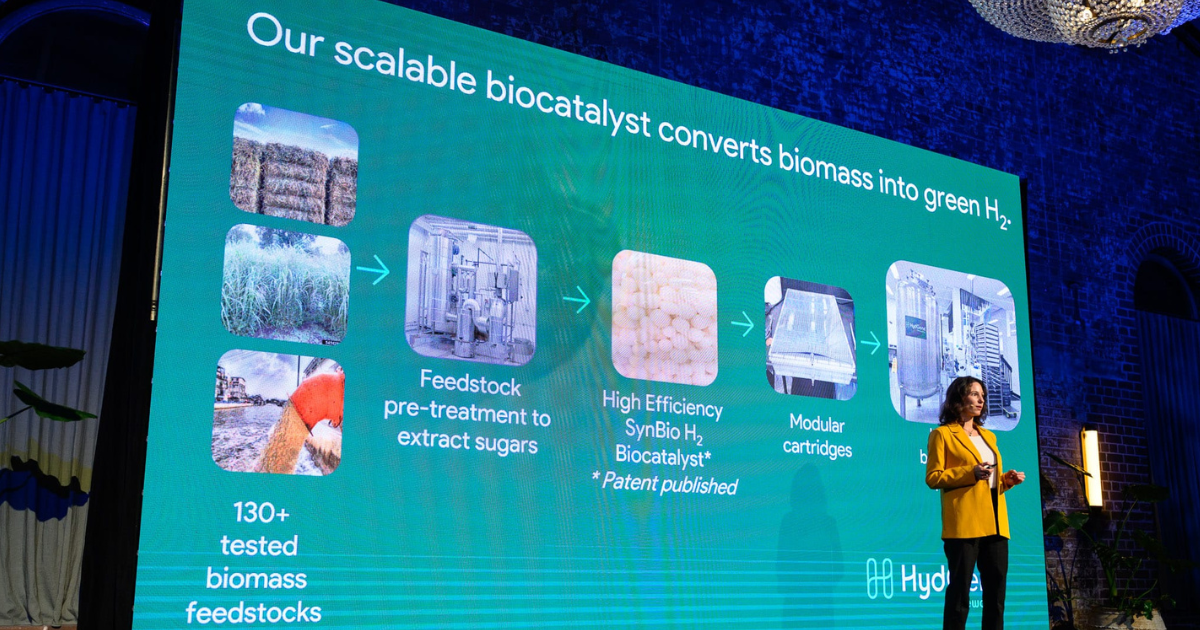
Startups like HydGene Renewables are already bringing this technology into the real world. They are developing a pilot system capable of producing 1kg of green hydrogen per day - enough to power a home for a day or be used in ammonia production. In 2025, HydGene Renewables intends to demonstrate their technology in the field, with plans to deploy commercial demonstration plants in the coming years.