
Robotics in agriculture
The rise of robotics in agriculture is transforming the way we grow food and fibre. From robotic arms that pick fruit to AI-driven tractors that precisely manage irrigation and fertiliser application, robotic technologies are modernising farming at an unprecedented pace, enhancing efficiency and productivity.
What are agricultural robots?
Agricultural robots are automated machines designed to perform farming tasks with minimal human intervention. Leveraging technologies such as AI, machine learning, computer vision, and GPS, robotics can enhance efficiency, precision, and productivity across the agrifood supply chain. From seeding and weeding to harvesting and packaging, robotics in agriculture are revolutionising traditional farming practices.
READ MORE: How exactly is AI used in agriculture?
How are robots used in agricultural supply chains?
Robotics in agriculture are driving efficiency and precision across the entire supply chain, with applications in crop planting, weeding, fertiliser application, irrigation, harvesting, sorting, packaging, livestock monitoring, milking, shearing, and greenhouse automation.
Agricultural robots range from basic monitoring tools to intelligent systems that adapt to changing environments:
- Sensing – Robots observe and gather data (e.g., plant sensors to detect nutrient deficiencies, water stress, or disease)
- Understanding – Robots analyse data and assess situations (e.g., automated fruit counting in a packing shed)
- Performing – Robots take action based on environmental inputs (e.g., robotic arms picking ripe fruit)
- Learning – AI-driven robots adapt and improve over time (e.g., fruit-harvesting robots that track ripeness and schedule future picks).
The benefits of agricultural robotics
By reducing manual labour and improving precision, robots are transforming traditional agricultural practices, making them more efficient, consistent, sustainable, and scalable. As technologies continue to advance, agricultural robots offer a range of benefits:
1. Increased efficiency and productivity
Agricultural robots can perform repetitive and time-consuming tasks with unmatched speed and accuracy. From autonomous tractors and robotic harvesters to AI-driven irrigation systems, robotics enables farms to operate around the clock, maximising output and profitability.
2. Reduced labour costs and exposure to workforce shortages
Labour shortages remain a major challenge in agriculture, particularly for seasonal and physically demanding jobs like fruit picking. Agricultural robots help bridge this gap, reducing reliance on human labour to ensure a consistent and reliable workforce.
3. Precision farming and optimised resource use
AI-powered agricultural robots apply fertiliser, pesticides, and water only where and when it is needed. This targeted approach reduces waste, cuts input costs, and minimises environmental impact while boosting yield.
READ MORE: What is precision agriculture?
READ MORE: What is drone weed mapping?
4. Data-driven decision making for smarter farming
Agricultural robots collect and analyse real-time data on soil conditions, crop and livestock health, weather patterns, and equipment performance. This data helps farmers make informed decisions that optimise operations, reduce risks, and increase resilience to climate variability.
READ MORE: What is smart farming?
5. Improved crop and livestock health monitoring
Drones, robotic sensors, and AI-powered imaging systems monitor crops and livestock for early signs of disease, nutrient deficiencies, or water stress. This enables proactive intervention, enhancing productivity, and animal welfare.
READ MORE: How are drones used in agriculture?
6. Sustainability and environmental benefits
Robotics promote sustainable agriculture by reducing chemical use, water waste, and carbon emissions. Many autonomous machines are electric-powered, reducing reliance on fossil fuels. Additionally, robotic soil sensors and autonomous tillage machines reduce over-tillage, helping to maintain soil health and promote long-term land resilience.
10 agriculture robots you should know
Here are 10 innovative examples of agricultural robots that are driving the future of farming:
1. LYRO Robotics
Autonomous picking and packing
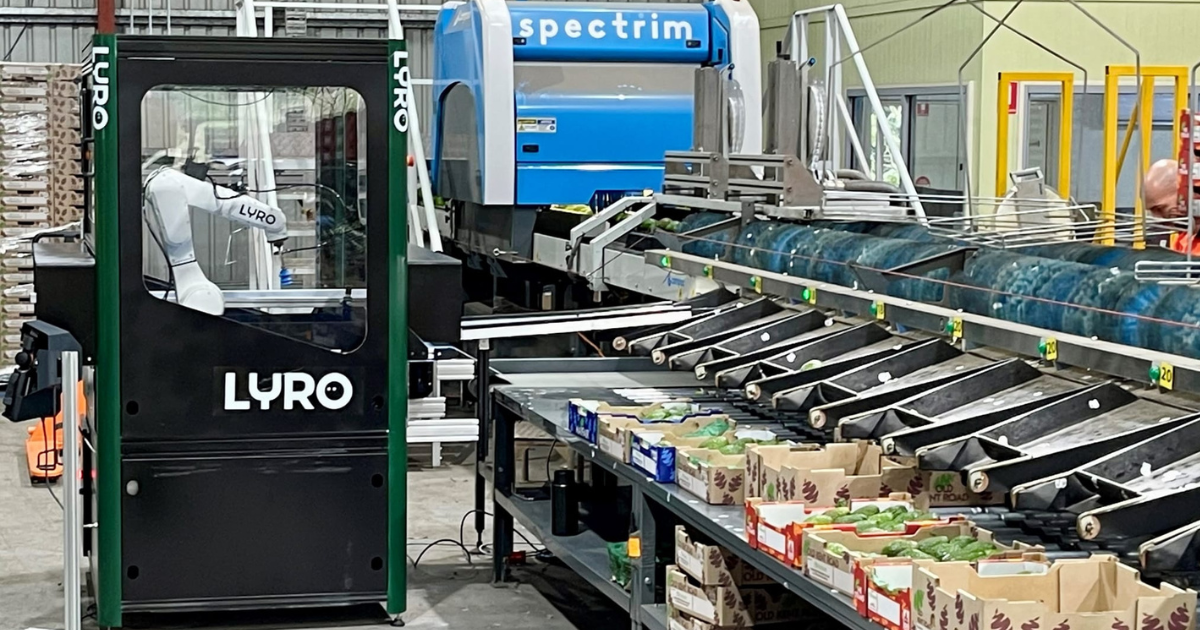
LYRO Robotics tackles food waste and labour shortages in the supply chain with innovative picking and packing robots. Over 60% of food is wasted due to labour shortages, but LYRO's robots cut food loss by 75%. These autonomous robots streamline operations, freeing workers from tedious tasks and enhancing the efficiency and reliability of the food supply chain.
2. Ripe Robotics
Robotic fruit harvesters
Ripe Robotics pioneers robotic fruit harvesters for apples and stone fruit, enabling full automation. In early trials in Shepparton, Australia, their robot "Eve" picks apples, plums, peaches, and nectarines, assessing quality in real-time improving operations with AI and big data.
3. SwarmFarm Robotics
Autonomous precision agriculture systems
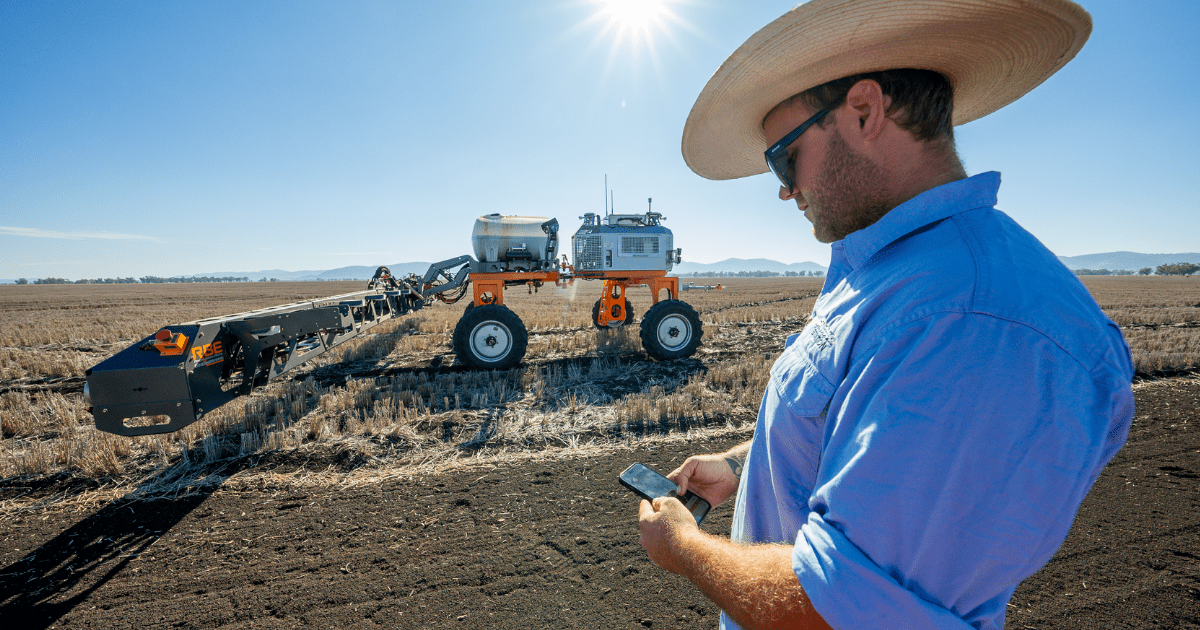
SwarmFarm Robotics are pioneering integrated autonomy and robotics in agriculture, envisioning a future beyond traditional tractors. Their system employs swarms of autonomous platforms to create new farming practices that emphasise precision application. Their approach aims to significantly reduce herbicide usage and improve sustainability and environmental responsibility in agriculture.
4. Farmbot
Remote control water monitoring
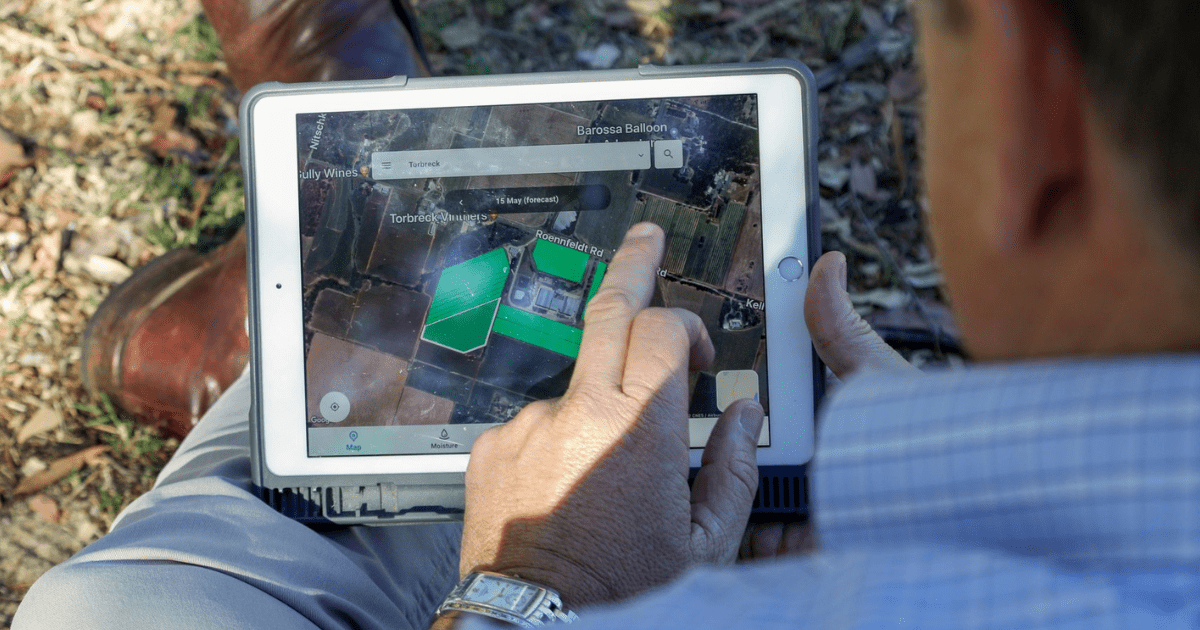
Farmbot introduces remote control capabilities for farmers, allowing them to manage and control their water assets remotely. Farmers are benefiting from near real-time updates on rainfall, water levels at tanks, troughs, dams and bores with the additional benefit of remotely turning a pump on/ off or taking a photo, all accessible from their phone or computer.. Their simple approach to remote resource management aids in reducing water wastage through real-time insights, saving money on labour and vehicle wear and tear but most importantly providing continual peace of mind.
5. Nexus Robotics
Autonomous weeding
Nexus Robotics pioneers autonomous weeding with their advanced robot, blending real-time computer vision, AI algorithms, and robotics. Their technology promotes precision farming, reduces herbicide dependency, and fosters regenerative agriculture. The platform uses weeding data to develop decision support tools, empowering farmers with informed choices for sustainable practices.
6. Wildlife Drones
Livestock and wildlife radio-tracking drones
Wildlife Drones offers a livestock radio-tracking drone system designed to locate radio-tagged animals. By attaching a radio-receiver payload to drones, users can monitor livestock activity and receive real-time data on the specific location of individually identified animals, aiding in animal management and research.
7. MPT AgTech
AI-powered precision seeding
MPT AgTech specialises in AI-powered smart seeder technology. Their smart seeder features integrated sensors for precise control over seeding depth and rate in broadacre crops, operable in manual or automatic modes. This innovation optimises crop yields by ensuring uniform emergence, reducing fuel consumption, and promoting sustainable farming practices.
8. XAG Australia
Agricultural Drone Technology
XAG Australia provides agricultural drones, robots, and IoT devices tailored for challenging, inaccessible terrain. Offering autonomous solutions, these tools empower farmers to manage fields with minimal manual labour, boosting efficiency and yield. Additionally, they aid in environmental protection by reducing pesticide use and carbon emissions.
9. Carbon Robotics
AI-powered Laser weeding
Carbon Robotics pioneers AI-driven robotics, revolutionising industries with computer vision and deep learning. Their LaserWeeder, powered by AI, precisely identifies and eliminates weeds, reducing herbicide use and labour costs while promoting regenerative farming.
10. Arugga
Robotic pollination and plant monitoring
Arugga specialises in ground robots tailored for greenhouse applications, focusing on individual plant treatment and monitoring. Their flagship robotic platform, Polly, integrates modules for pollination, plant maintenance, and pest detection. Arugga's groundbreaking pollination robots, now operational globally, mark a significant advancement in greenhouse technology, optimising plant care and productivity.
The impact of robotics in agriculture
As robotics in agriculture continue to advance, their role in enhancing efficiency, lowering costs, and promoting sustainability will be critical in meeting the growing global demand for food and fibre. By agricultural robots, farmers can future-proof their operations, ensuring a more resilient, productive, and sustainable agricultural industry.