
How is agriculture technology shaping the future of farming?
Agriculture technology is advancing rapidly, as innovators design solutions to the challenges our global food system faces. From climate change and food security to workforce shortages and water scarcity, innovative agriculture technologies are revolutionising the way we grow food and fibre – enhancing efficiency, productivity, and sustainability.
In this article we explore how agriculture technology is shaping the future of farming, and driving global change in food production.
Emerging trends in farm technology
- Precision agriculture
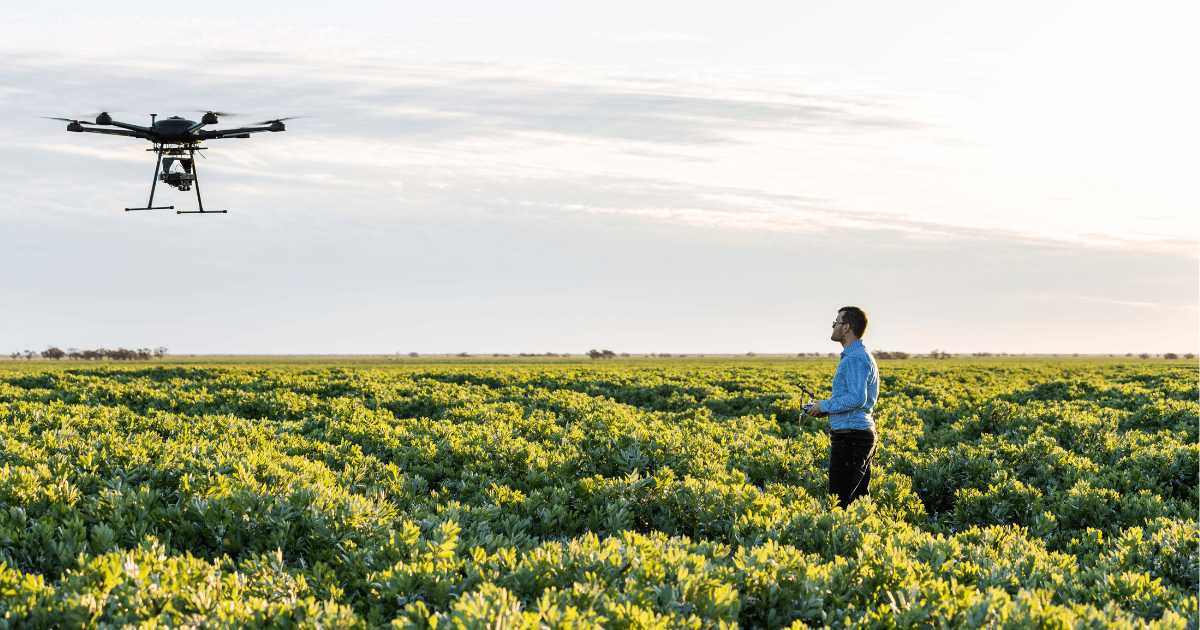
Precision agriculture is reshaping the way farmers grow crops, manage livestock, and conserve natural resources. The integration of technologies like drones, GPS mapping, and IoT sensors allows for precise monitoring of soil conditions, crop health, and water usage. By collecting real-time data, farmers can make informed decisions on how best to allocate resources, whether it’s water, fertiliser, or pesticides. This approach reduces waste, improves efficiency, and boosts yields, leading to better profitability for farmers.
Emerging focus: The integration of AI and data analytics in farm technology is improving predictive capabilities, helping farmers to discover problems before they impact production. Adoption of AI-powered drones, for example, delivers both short and long-term benefits. In the short-term, it can help farmers detect early signs of pest infestation and apply targeted pesticides, reducing chemical usage and increasing crop yield. Over the long term, predictive analytics leveraging historical data and weather patterns can help farmers optimise planting schedules, improving crop resilience to climate fluctuations and increasing yield consistency over multiple growing seasons.
Related: What is Precision Agriculture
- Smart farming practices
Smart farming is advancing agriculture, with innovations like artificial intelligence (AI), machine learning, and data analytics boosting productivity and profitability. Technologies such as precision irrigation systems, which use soil moisture sensors and weather data, help farmers optimise water usage and planting schedules, while drones provide aerial imagery to monitor livestock and crop health and detect early signs of disease, enabling targeted interventions. These smart farming practices allow farmers to make data-driven decisions that enhance productivity (predicting the optimal harvest time for crops, for example, helping farmers increase yield quality while reducing post-harvest losses) and sustainability (such as GPS-guided autonomous tractors that minimise soil compaction, contributing to healthier, more resilient soils over time).
Emerging focus: The use of data and AI to track production, enhance supply chain management, and optimise resource distribution is becoming increasingly important.
Read More: How AI is Used in Agriculture
- Robotics in farming
Automation is transforming traditional farming with robotics and autonomous machinery. Automated tractors, robotic harvesters, and weed control systems are streamlining farming operations, reducing reliance on manual labour and allowing for more precise and efficient farming practices. For example, AI-powered autonomous harvesters can pick fruit crops at optimal times, preventing food waste and improving overall yields.
Emerging focus: The development of AI-powered robotics for tasks such as crop monitoring and pest control is reducing the need for chemical interventions, contributing to a more sustainable approach to farming.
Related: How Are Robots Used in Agriculture
- Vertical farming and controlled environment agriculture (CEA)
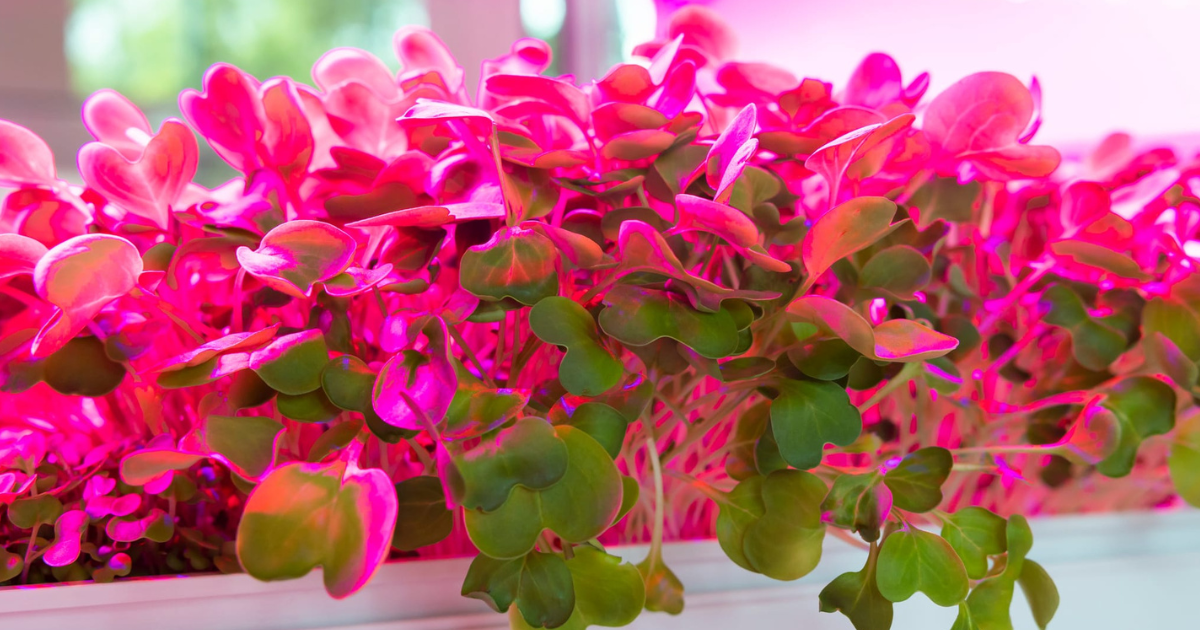
Vertical farming and CEA are reshaping how food is produced, especially in urban areas. Using methods like hydroponics and aeroponics, these innovative indoor farming technologies allow crops to be grown indoors year-round, regardless of weather conditions. Vertical farming maximises land use, and minimises water, fertiliser, and pesticide use, significantly reducing the environmental impact of traditional agriculture.
Emerging focus: Integrating AI into vertical farming operations to optimise lighting, temperature, and nutrient levels for increased efficiency is gaining traction in urban farming.
Read more: Read Our Guide on Vertical Farming Here
Breakthrough agricultural innovations
- Gene-editing technology
Gene-editing tools like CRISPR are allowing scientists to modify the DNA of crops to make them more resilient to pests, diseases, and adverse environmental conditions. In Australia, research is underway to develop perennial crops, such as perennial wheat, which have the potential to reduce soil erosion and water usage while boosting yields.
Example: The Rising Potential of Australian Perennial Wheat
- Biotechnology in agriculture
Biotechnology is increasingly used in agriculture to enhance crop resistance and reduce the need for synthetic chemicals, leveraging microbes for natural fertilisers and disease control. Microbial-based solutions are being developed to improve soil health and fight diseases naturally, while bioengineered crops are being developed that require fewer chemical inputs, and contribute to more sustainable farming practices.
Australia’s investment in agriculture technology & research
Australia, with its unique agricultural landscapes, climate, and production systems, is leading the way in agricultural innovation. The country’s position as a global leader in food and fibre production is underpinned by its unique public-private partnership for research and development through the fifteen industry-specific rural Research and Development Corporations (or ‘RDCs’.) This decades-old model, along with a growing ecosystem of startups, innovators, and entrepreneurs, fosters collaboration that is accelerating advancements in farming technologies.
Australia's focus on sustainable farming practices, enhanced through technologies like robotics and biotechnology, is positioning the nation at the forefront of global agricultural innovation.
Examples:
- Innovative vanilla dome
Integrating innovative technology and plant physiology, Australian Vanilla Plantation’s Vanilla Dome is a turnkey solution that engineers out many of the challenges that once made vanilla commercially unviable. Having locked in local and international partnerships, AVP’s proprietary geodesic dome greenhouse is set to grow Australia’s share of the lucrative global vanilla market.
- Weed mapping drone
The weed-mapping drone, Single Shot, offers farmers an innovative solution for precise weed detection, using advanced mapping technology to identify and target weed infestations with high accuracy. By enabling targeted treatment, Single Shot not only saves money, but tackles chemical resistance, too.
Embracing innovation in agriculture
As we look to the future, it’s clear that agriculture technology will continue to play a pivotal role in solving the challenges faced by farmers. Embracing innovations such as precision agriculture, robotics, and biotechnology will help increase efficiency, reduce environmental impact, and ensure food security for the growing global population.