
Farm automation in agriculture: A comprehensive guide
Farm automation in agriculture is helping to reshape the way food is produced, with new technologies playing an increasing role in boosting productivity, sustainability, and resilience.
By automating repetitive and labour-intensive tasks, farmers can make more efficient use of their time and resources, improve yields, and reduce their environmental footprint. Farm automation does not only benefit individual producers, though. It also contributes to supply chain efficiency and broader food security.
This guide will discuss everything there is to know about farm automation in agriculture, from what it means and how it works, to the technologies involved and the benefits it offers.
What is automation in agriculture?
Automation in agriculture refers to the use of technology and machines to perform agricultural tasks that were traditionally done by humans. Also known as agricultural robotics, automation in farming covers everything from planting and irrigation to harvesting and monitoring crop health.
In agriculture, automation may involve autonomous navigation by robots, mobile mechatronic devices capable of decision-making, and real-time monitoring systems that act as a second set of eyes for farmers. These technologies work together to streamline operations, reduce human error, and provide farmers with precise insights into their operations.
How does agricultural automation work?
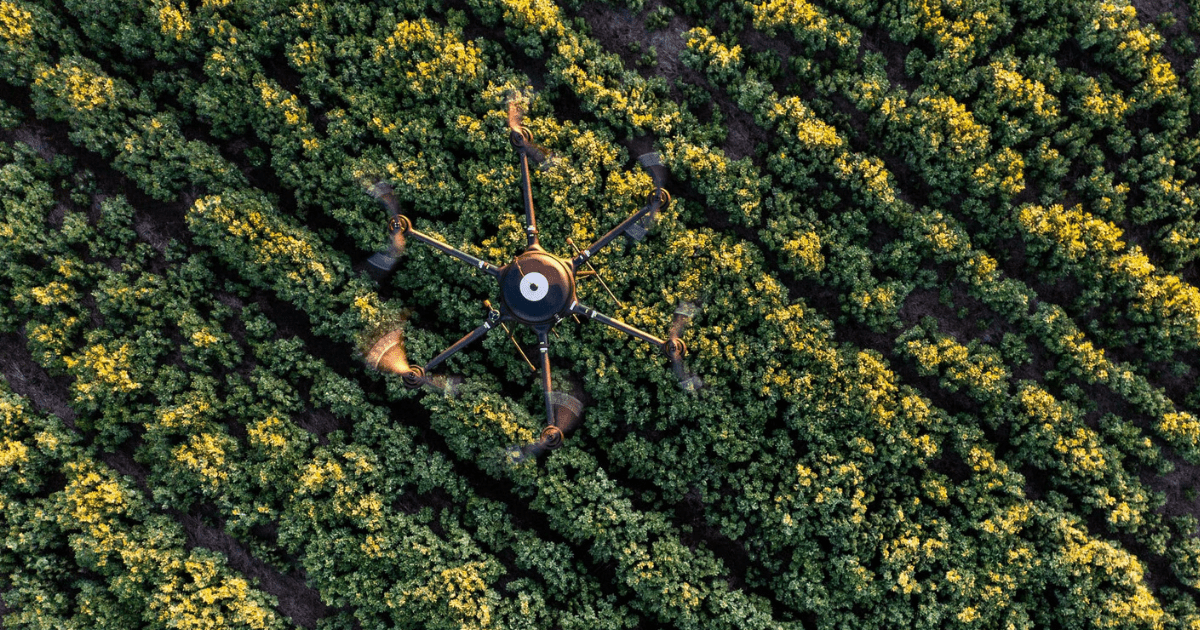
The rise of agtech (agricultural technology) has accelerated the adoption of farm automation across the agricultural sector. Today, farmers are using autonomous tractors that can prepare soil and plant without human intervention, robotic arms that harvest fruit with precision, and drones that scan fields to assess crop and livestock health in real time.
Today, farm automation not only reduces manual labour but also improves productivity, accuracy, and environmental management across the agricultural sector.
Here are the key technologies driving farm automation in agriculture:
1. Sensors, cameras, and monitoring equipment for crop management
Advanced sensors, drones, and imaging technologies enable precision crop monitoring. Through real-time tracking of soil moisture, air and ground temperature, plant health, and pest activity, sensing technologies can spot early signs of plant stress or nutrient deficiencies that, to the naked eye, might take days or weeks to become apparent. This enables targeted interventions that preserve yield and input efficiency.
READ MORE: What is precision agriculture?
2. Agricultural software for real-time data analytics
Cloud-based platforms enable farmers to integrate sensor, drone, and machinery data into a single dashboard, enabling data-driven decision making. These systems use machine learning and predictive models to recommend optimal times for planting, irrigating, and harvesting. Some platforms even provide alerts and decision tools, giving farmers an edge in both short-term and seasonal planning.
RELATED: What is smart farming?
3. Automated machinery and robotics for precision farming
Today’s farmers can use a fleet of autonomous or semi-autonomous machinery to perform farm tasks: GPS-guided tractors for soil preparation, AI-driven seeders that vary sowing depth based on the soil condition, and robotic harvesters that detect ripeness and pick fruit without damage.
READ MORE: Robotics in agriculture
4. Automated livestock systems
Agricultural automation is also gaining traction in the livestock sector. Dairy farms are using robotic milking systems that allow cows to be milked on their own schedule. Smart collars track animal health and behaviour, while automated feeding stations deliver precise rations. These systems not only improve animal welfare but also reduce labour costs and increase output efficiency.
READ MORE: Guide to animal disease management
5. Vertical farming and controlled environment agriculture
Controlled environment agriculture (CEA) facilities such as greenhouses and vertical farms are incorporating agricultural automation such as sensors and AI to manage lighting, humidity, and nutrients.
Automation in these environments ensures consistent conditions for plant growth and maximises yield per square metre. Robots are also being deployed to plant, monitor, and harvest crops in stacked layers, significantly reducing land and water use.
READ MORE: What is vertical farming?
-width-1680.png)
The benefits of automation in farming
As automation in farming becomes more widely adopted, its impact is being felt across the agriculture sector. These innovations not only help streamline operations but also unlock opportunities for enhanced efficiency, profitability, and sustainability.
1. Higher crop yields and input efficiency
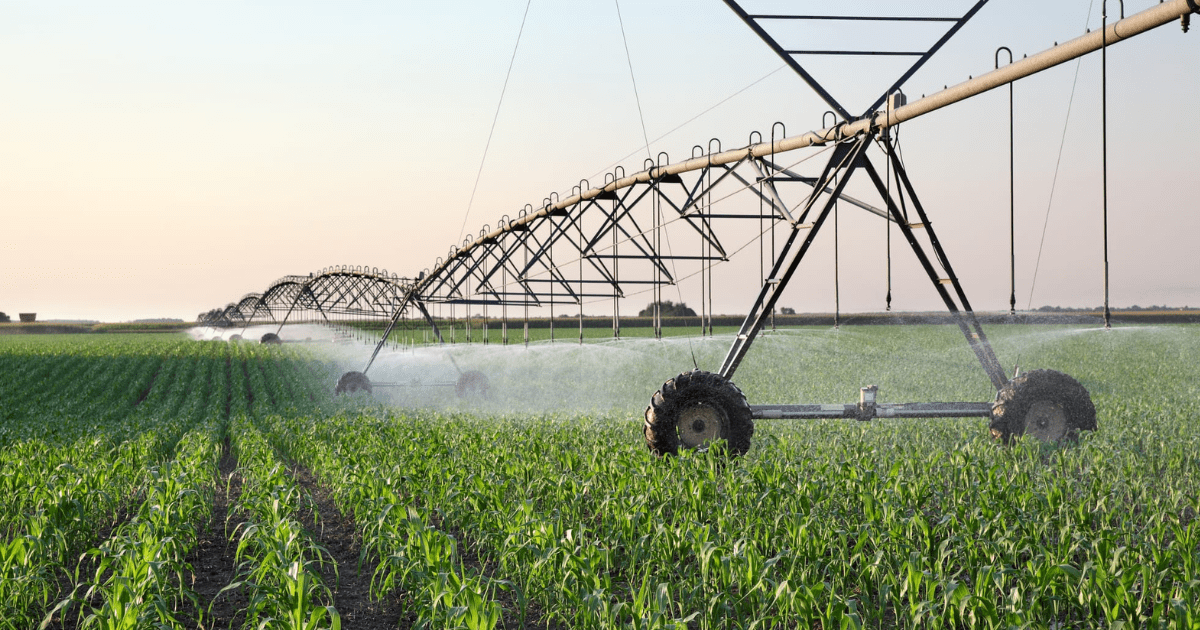
Automated systems enable farmers to monitor and respond to plant needs more accurately, resulting in healthier crops and higher yields. Technologies such as variable rate application ensure inputs like fertiliser and water are used only where needed, maximising productivity while reducing chemical usage.
2. Cost savings from reduced labour and resource consumption
Access to labour is a growing issue in agriculture. Automation reduces reliance on manual labour by automating routine tasks such as planting and harvesting. Farm automation also optimises input use through targeted application of chemicals (fertiliser, herbicide and pesticide) and water, leading to significant cost savings. For example, smart irrigation systems can cut water use by up to 30%, reducing operating costs and conserving resources.
3. Precision agriculture
By collecting and analysing field data, automation allows for precisely targeted interventions like weed detection, pest control, and nutrient application. Tools like drone weed mapping enable farmers to detect and treat weed infestations precisely, reducing chemical use and improving crop health.
4. Sustainability and waste reduction
Farm automation can reduce overuse of fertilisers, pesticides, and water, benefitting the environment while also improving long-term soil health. Examples of automation in farming include automated tillage systems that reduce soil compaction and erosion, sensor-based irrigation to minimise water use, and autonomous drones that target pests and weeds with precision, eliminating the need for ‘blanket’ applications of synthetic chemical controls.
5. Improved working conditions and decision-making
Farm automation can reduce the need for humans to perform physically demanding or repetitive tasks, improving safety and job satisfaction.
The real-time data generated by farm automation systems enables farmers to make faster, data-driven decisions, enhancing farm planning, reducing risk and uncertainty, and optimising farm operations.
The future of automation in agriculture
As new technologies continue to emerge, we can expect even greater integration of farm automation tools such as robotics, AI, and data analytics across all stages of food production, from paddock to processing.
These advancements offer the potential not only to address current agricultural challenges such as workforce shortages and rising input costs, but future-proof the industry against climate change, population growth, and supply chain disruptions.