
Guide to animal diseases and management
Understanding diseases and their management is critical for ensuring the well-being of both domesticated and wild animals. In this guide to animal disease prevention and early diagnostics, we will look at common livestock diseases and diagnostics, how to identify animal disease, strategies for avoiding preventable disease, and animal health technology products that aid in disease prevention and diagnostics.
How is disease detected in animals?
Detecting disease in animals is important for reducing animal suffering and improving health outcomes. Healthy animals are also more efficient in producing milk, eggs, or meat, which means early detection is key to economic stability and sustainable food production.
How to identify animal disease
To identify animal disease, it’s important to monitor changes in behaviour and appearance. Animals carrying a disease might exhibit signs such as lethargy, loss of appetite, coughing, or unusual discharge. Changes in coat condition and swelling can also be red flags. Vital signs - temperature, heart rate, and breathing should also be checked regularly.
Common livestock diseases to look out for include Foot and Mouth Disease (FMD), Bovine Viral Diarrhea (BVD), Lumpy Skin Disease, Ovine Johne's Disease, Mastitis, facial eczema, Scrapie and parasite infections such as worms and ticks.
Research initiatives like the shipboard provision of animal health equipment have been able to highlight gaps in veterinary supplies for export voyages by pinpointing the most common diseases affecting cattle and sheep. Projects like this emphasise early detection and updated practices, which help to inform the development of new technologies, making early disease detection more achievable.
Animal health diagnostics technology
The most common diagnostic procedures in veterinary practice include physical examinations, blood tests and imaging techniques like X-rays and ultrasounds.
As advancements in technology have emerged, disease detection has significantly improved. For instance, diagnostic tools such as PCR tests and serological assays allow for the rapid identification of pathogens.
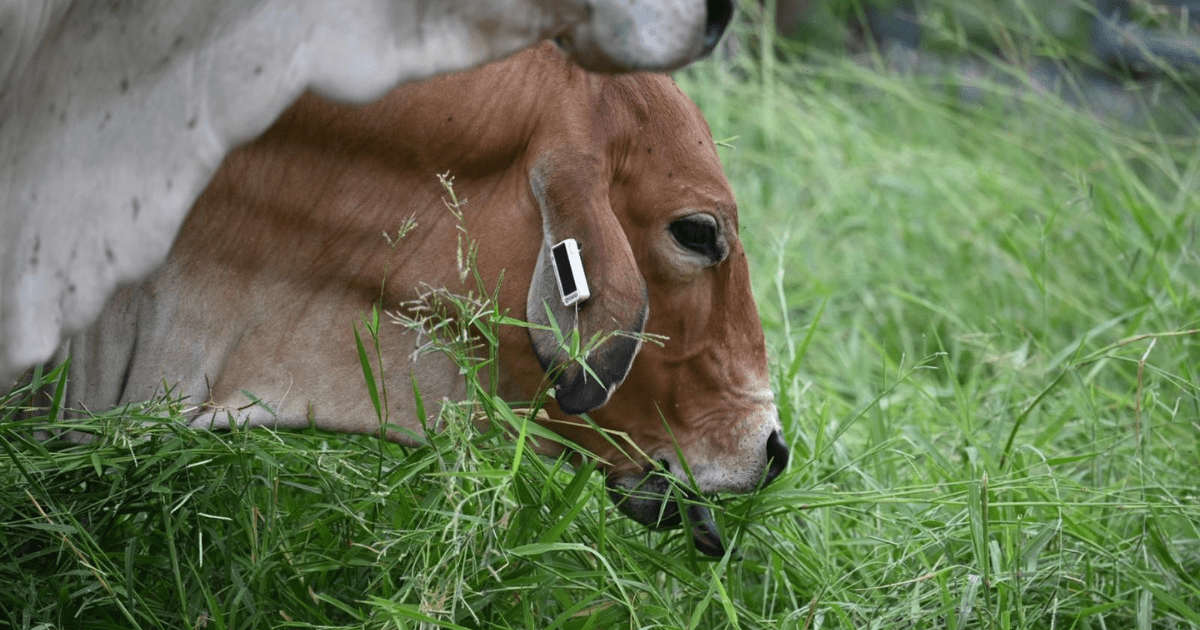
Smart livestock tags, like those developed by ProTag and Ceres Tag, enable real-time monitoring of animal health metrics, providing farmers with valuable data to detect health issues early. Novel technology like Global DX’s Herdscreen lateral flow test range are also effective for the rapid detection of infectious disease.
How is disease prevented in animals?
While being able to detect disease early is important, implementing disease prevention measures should always be the primary focus. Current best practices for disease prevention in livestock management include implementing effective biosecurity measures, such as controlling access to farms, disinfecting equipment, and quarantining new animals before introducing them to existing herds.
Routine health checks are equally important. Regular veterinary visits allow for the early detection of health issues and timely vaccinations which protect animals from infectious diseases. Continually monitoring animals for signs of illness and maintaining accurate health records also contribute to a proactive approach to disease management.
AgriFutures are committed to biosecurity and disease awareness through initiatives such as the research partnership on bioactive molecules to combat facial eczema in animals, a condition that significantly impacts productivity and export revenue. This project not only targets this issue in animals but AgResearch have also shown that it has promise in laboratory trials for reducing harmful fungi prevalent in crops. Another project is focusing on the development of a clinical mastitis treatment decision tool that aims to improve the management of this common condition, further promoting animal health outcomes.
Farmers have access to valuable resources for managing and preventing animal diseases, such as the Australian Centre for Disease Preparedness, and the Department of Agriculture Fisheries and Forestry Animal Health page, both of which contain valuable information about national biosecurity protocol and disease and animal specific information.
Another great resource is the Animal Health and Welfare workshops developed by Meat and Livestock Australia (MLA). These workshops provide feedlot producers with the latest information on animal health and welfare management each year. By integrating these strategies and utilising available resources, farmers can ensure the welfare of their livestock and the sustainability of their operations.
5 animal health tech companies you should know about:
The animal health tech industry is rapidly evolving, driven by innovations that improve animal welfare and farm productivity. Here are five companies leading the charge in revolutionising animal health outcomes through new technology and data-driven solutions:
1. VetChip
VetChip, based in Western Australia, focuses on improving animal health through an easily implantable chip that monitors vital signs in animals. Founded in 2019 by a team of veterinarians and engineers, VetChip aims to detect health issues in animals before they can exhibit distress. Their biosensor technology provides a proactive approach to animal health management, filling a significant gap in the market.
With over 60 years of experience in veterinary diagnostics, Global DX Ltd specialises in rapid and reliable lateral flow testing solutions for animals. Their core product ranges, Petscreen for companion animals and Herdscreen for livestock, improve biosecurity and protect animal health by providing innovative diagnostic tools at the point of care.
Smart Paddock utilises an advanced platform that is designed to boost productivity and profitability for farmers. By implementing smart tags to collect biometric data from individual animals, they offer farmers real-time insights and alerts about herd health and behavior. This data-driven approach allows farmers to strengthen overall animal well-being while reducing labour costs and improving reproductive performance.
4. Ceres Tag
Ceres Tag has developed the world's first satellite-enabled animal monitoring platform through its proprietary smart ear tag. This technology offers geospatial location data, health monitoring and movement tracking without requiring any additional infrastructure, enabling farmers to make informed decisions about animal welfare and traceability.
5. ProTag
With real-time location tracking and advanced AI, ProTag’s lightweight ear tags provide farmers with essential insights into animal health, behavior and location. By improving heat and lameness detection accuracy, ProTag supports farmers to make informed decisions, optimise their pasture management and ensure healthier, more productive herds.