
What is Hydrogen Energy?
Hydrogen energy is the use of hydrogen gas as a clean fuel that produces only water and heat as by-products. It can be converted into electricity or heat, making it a sustainable and eco-friendly alternative to fossil fuels.
What is Hydrogen Energy?
Hydrogen energy is a form of clean energy derived from hydrogen gas, which is the most abundant element in the universe. It is used primarily as a fuel in fuel cells or can be burned in combustion engines to produce electricity or heat.
Hydrogen energy is known for its environmental benefits because it produces only water and heat as by-products, leaving no harmful emissions behind. This makes it a promising alternative to fossil fuels, which release greenhouse gases and pollutants. Hydrogen can also be stored and transported as a gas or in liquid form, and it can be generated from many different sources including natural gas, biomass and water.
Hydrogen energy has many uses, from powering fuel cell vehicles and industrial processes to storing energy from renewable sources. For instance, the Australian Meat Processor Corporation is investigating the use of renewable hydrogen at Australian red meat processing facilities. This would reduce reliance on conventional energy sources and consequently strengthen sustainability outcomes in the red meat processing industry.
As technology improves and production methods become more efficient, hydrogen energy could play a critical role in reducing global reliance on fossil fuels and addressing climate change.
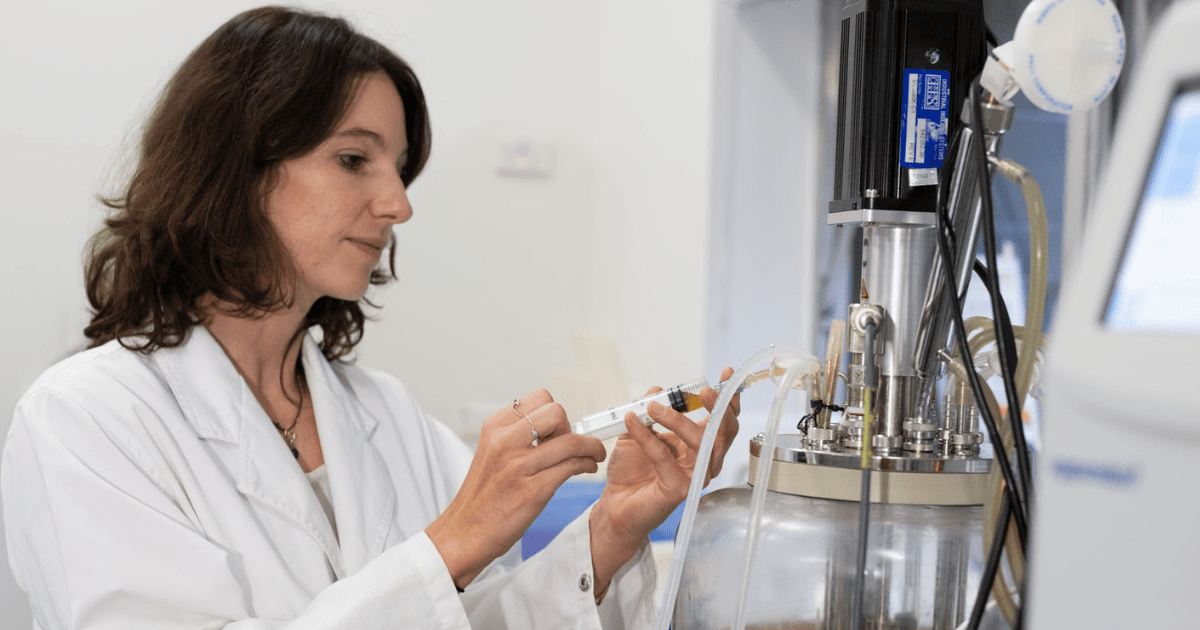
How does Hydrogen Energy work?
Hydrogen energy works by using hydrogen gas as a fuel source to produce electricity, heat or mechanical power. It can be harnessed in three distinct ways:
Fuel Cell
A hydrogen fuel cell works like a battery but uses hydrogen and oxygen to create electricity. The cell is made up of three parts: an anode, a cathode and an electrolyte membrane. Hydrogen splits into protons and electrons at the anode; the protons move through the membrane while electrons create an electric current. At the cathode, protons, electrons and oxygen combine to form water and heat. This process produces only water vapour, making fuel cells ideal for eco-friendly vehicles (such as cars and buses), backup power, stationary electricity, portable power and industrial uses.
Combustion
Hydrogen can also be burned in combustion engines or turbines. When hydrogen combusts, it reacts with oxygen to create heat and water vapour. While this method also produces water, it is generally less efficient than fuel cells and may produce small amounts of nitrogen oxides due to high combustion temperatures.
Storage
Hydrogen can also be stored in a number of forms for later use. It can be stored as a gas in pressurised tanks or natural geological formations, or as a liquid in cryogenic tanks. Each storage method has its applications, with gas storage being the most common for large-scale use, while liquid storage is used for transportation and other specialised applications.
5 hydrogen energy companies you should know
HydGene Renewables specialise in on-demand renewable hydrogen production from bio-waste. Using advanced biocatalyst technology, they convert plant-based feedstocks into high-purity, carbon-neutral hydrogen. Their modular, scalable solutions eliminate storage and transport challenges, supporting the decarbonisation of industries like farming, chemical manufacturing and transportation without relying on solar or wind power.
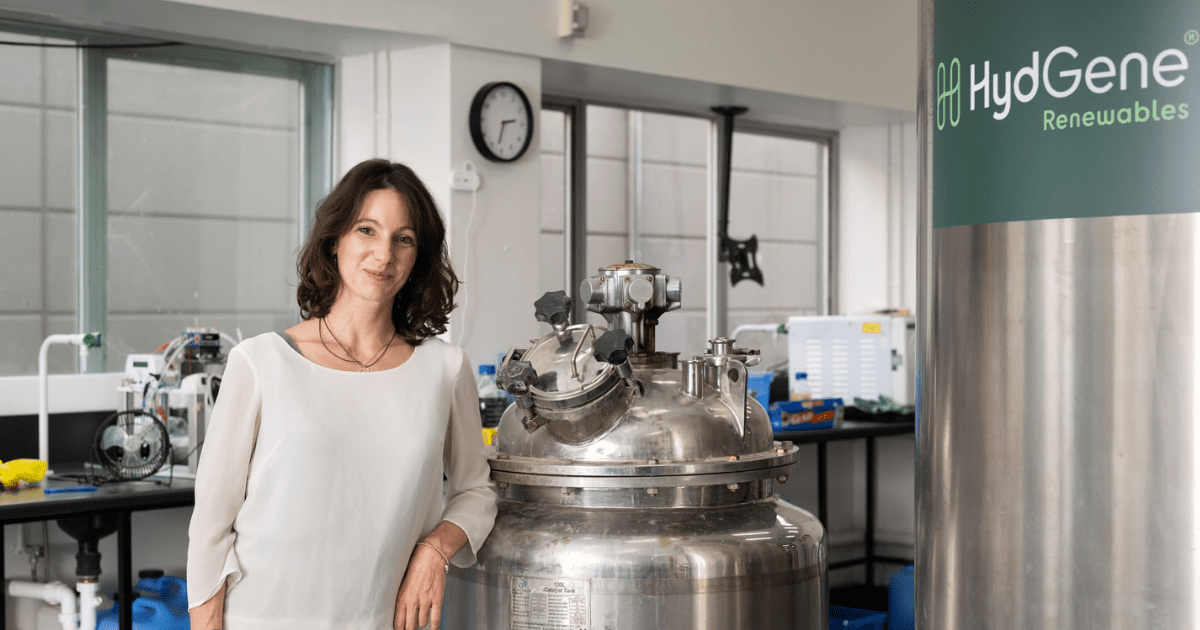
Hy-Boost Technology creates innovative solutions to improve energy efficiency and support sustainable practices using hydrogen production and fuel cell technologies. Their work involves developing cutting-edge hydrogen systems to reduce carbon emissions and advance the global shift towards renewable energy.
All Energy Pty Ltd
All Energy specialise in developing and implementing sustainable energy systems, including solar and wind power technologies to support the transition to cleaner, more sustainable energy sources.
Fuel cell Energy Inc.
FuelCell Energy Inc., based in Danbury, Connecticut, designs and operates Direct Fuel Cell power plants as eco-friendly power generation alternatives. It operates the world’s largest fuel cell parks in South Korea and North America, focusing on low-carbon technology to produce hydrogen from natural gas or biogas.
Air Products and Chemicals, Inc
Air Products and Chemicals, Inc. is a global leader in industrial gases and chemicals. They provide gases like oxygen, nitrogen and hydrogen to a number of industries, including energy, healthcare and manufacturing to improve energy efficiency and environmental sustainability.