What are Carbon Credits and how do they benefit farmers?
By participating in carbon credit programs, farmers not only contribute to environmental sustainability but can also access new financial opportunities.
What are Carbon Credits?
Carbon credits are permits that allow a company or organisation to emit a certain amount of carbon dioxide; for every tonne of carbon dioxide they reduce or remove, they can earn credits that can be sold or traded to others who need to offset their emissions.
What are Carbon Credits in Agriculture?
Carbon credits can be thought of as a form of environmental currency. Just like traditional currency, they hold value and can be traded, but instead of buying goods and services, they represent a reduction in greenhouse gas emissions. Each credit typically equals one metric tonne of carbon dioxide (or its equivalent) that has been prevented from entering the atmosphere.
In this way, carbon credits function like digital tokens in a game where players earn points for eco-friendly actions. Farmers, businesses and organisations can earn credits by implementing practices that reduce emissions or strengthen carbon sequestration, which can then be sold or traded in carbon markets to others who need to offset their emissions.
In agriculture, farmers can implement specific, measurable actions to generate carbon credits, such as adopting no-till farming, planting cover crops, improving pasture management and undertaking agroforestry practices.
For example, Carbon Farming Partners, is an independent consultancy that advises landholders on securing financing for carbon farming projects. This support enables farmers to implement practices that boost soil carbon levels, ultimately generating carbon credits. By participating in a soil carbon project, farmers not only create a new revenue stream but also contribute to efforts to combat climate change.
-width-1680.png)
How do carbon credits work?
With the global emissions target set for net-zero (meaning that any emissions produced are effectively counterbalanced by an equivalent amount of emissions removed) by 2050, farmers and organisations have a responsibility to either reduce their emissions, remove existing greenhouse gases from the atmosphere, or prevent emissions from being released altogether.
Major emitters, such as airlines, power plants and mining companies, as well as small businesses and farmers, are under significant pressure to undertake projects that achieve these goals. In the process, they are rewarded carbon credits that they can then trade to offset their emissions, contributing to a more sustainable future.
The process of carbon credits in agriculture can be broken down into several key steps:
Assessment: Farmers must assess their land management practices and determine their carbon baseline - this is the amount of carbon stored in the soil before any changes are made. Organisations like Carbon Link and Carbon Neutral will work with farmers to ascertain the nature of their property and determine its suitability for a carbon project, including determining their carbon baseline.
Implementation: After establishing the baseline, farmers can implement carbon farming practices that increase carbon sequestration. This might include using new technology, improving grazing management techniques, cover cropping, or adapting management techniques of natural capital on-farm. For example, if managed appropriately, irrigation farm dams can be a part of net zero emissions goals.
Reporting: It’s important to note that, before carbon credits can be issued, a comprehensive carbon reporting process must occur. In Australia, carbon credit reporting follows strict guidelines established by the Clean Energy Regulator. Farmers must maintain detailed records of their farming practices, the methods used for carbon sequestration and the results achieved. This documentation is essential for verification and for potential audits by the Clean Energy Regulator. Reporting carbon requires farmers to submit reports that detail:
● The type of carbon farming practices implemented
● The area of land affected
● The estimated carbon sequestered or emissions reduced
● Supporting data such as soil tests or satellite imagery
Verification & Issuance: Once management changes have been made, third-party auditors will verify the amount of carbon sequestered or emissions reduced, and then carbon credits will be issued by regulatory bodies which can then be sold on carbon markets. The Clean Energy Regulator oversees this process in Australia via the Australian Carbon Credit Unit Scheme, which ensures the credit units comply with national standards.
Trading: Farmers can then sell their carbon credits to businesses and individuals looking to offset their emissions, which creates a financial incentive for undertaking sustainable practices. These credits can be sold on the secondary market or directly to the Australian Government through carbon abatement contracts. The value of Australian Carbon Credit Units (ACCUs) is determined by market supply and demand.
5 Carbon credit related technology you should know:
As the push for sustainability grows stronger, innovative technologies are emerging to help businesses and farmers navigate the complex world of carbon credits. Here are five carbon credit-related technologies you should know about, each offering unique solutions to support sustainable practices and drive the transition to a greener economy:
1. Soil Carbon Quantification Technology: Tools like Agrimix offer low-cost, real-time, and spatially-integrated soil carbon quantification. By using eddy covariance flux towers which measure carbon dioxide (and other photosynthetic values) changes in the landscape 20 times per second, 24/7, this technology enables farmers to effectively and efficiently monitor changes in soil carbon levels.
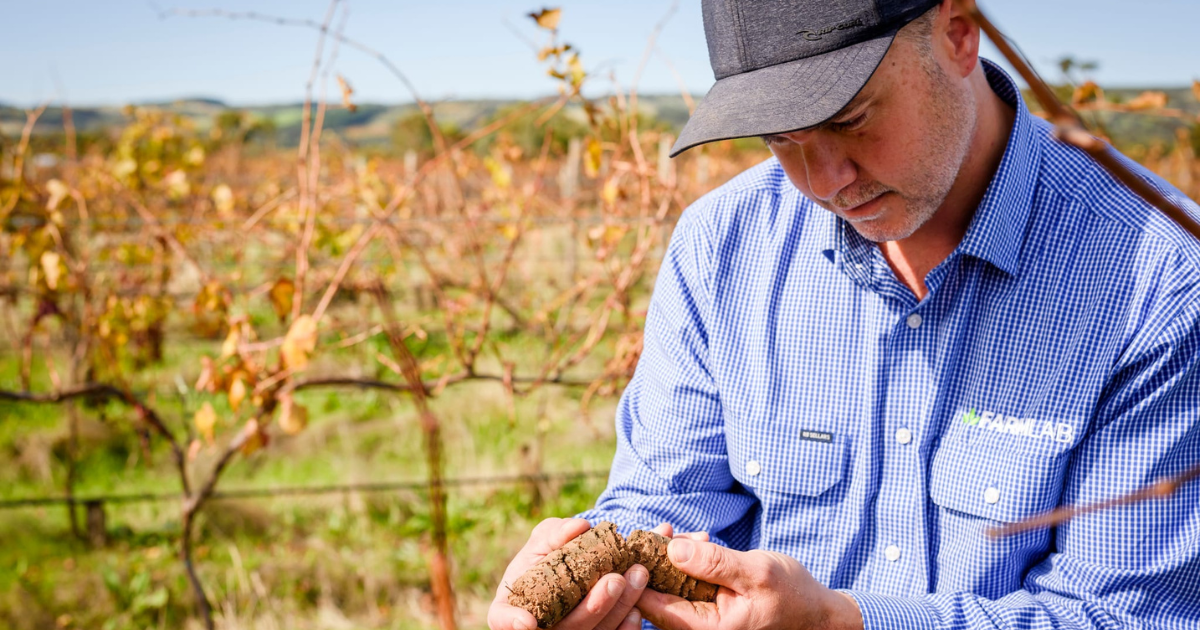
2. Carbon Management Software: FarmLab, an agronomy software company, focuses on enhancing farm management practices. Recently, they secured $2 million to expand globally and improve their platform for tracking carbon credits and farming efficiencies.
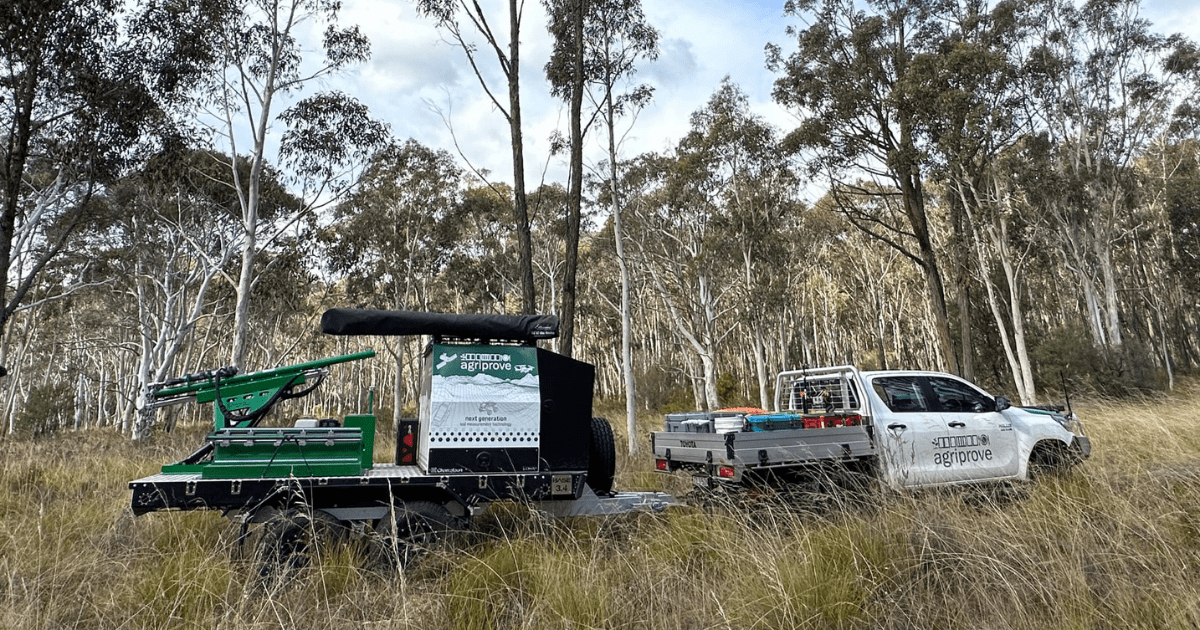
3. Soil Carbon Project Development: AgriProve specialises in developing soil carbon projects, helping farmers implement practices that increase soil carbon storage and generate carbon credits. They are also committed to de-risking carbon removal technology.
4. Advanced Soil Analysis Technology: Carbon Capture Shield Inc. utilises their flagship QSAAT (Quantitative Soil Sample Analysis Automation Technology), which employs AI and machine learning to automate the analysis of ecosystem samples, improving the efficiency and accuracy of soil assessments.
5. Carbon Accounting Solutions: CarbonScribe offers innovative carbon accounting services that help businesses and farmers accurately measure and report their carbon emissions and credits, supporting sustainability efforts.