
What is Alternative Energy?
Alternative energy refers to energy sources that are different from traditional fossil fuels (like coal, oil and natural gas) and are considered more sustainable and environmentally friendly.
What are the benefits of alternative energy?
Alternative energy sources like wind, solar, hydro and geothermal power, provide several key advantages over traditional fossil fuels, contributing to a more sustainable and environmentally friendly energy landscape.
Environmental Impact & Sustainability
One of the primary advantages of alternative energy is its reduced environmental impact. Renewable energy sources produce little to no greenhouse gases or pollutants, helping to mitigate climate change and air pollution. For example, solar panels convert sunlight directly into electricity without emitting carbon dioxide, while wind turbines harness wind energy without any air or water pollution.
They are also generally more sustainable than fossil fuels. Solar and wind energy, for instance, are abundant and inexhaustible, unlike coal or oil, which are finite and depleting. This sustainability ensures a more reliable long-term energy supply and reduces the risk of energy shortages.
Economic Benefits
Alternative energy can also provide a number of important economic benefits. Currently, Australia relies heavily on imported fossil fuels, which makes its energy sector vulnerable to geopolitical tensions and market fluctuations. By increasing the use of renewable energy, Australia can reduce its dependence on these imports, leading to greater energy independence and stability.
The growth of alternative energy industries also stimulates job creation and economic development, particularly in rural or underdeveloped areas where renewable projects are often located. Over time, investments in renewable technologies will lead to lower energy costs as technologies mature and become more efficient.
The growing interest in alternative energies for horticulture and agriculture has led to the establishment of the ZIM Innovation Network for 2023. This international network is aiming to develop specialised technical solutions, including renewable energies, hydrogen technology and energy storage systems.
What are the sources of alternative energy?
Alternative energy sources are those methods of harnessing natural processes to generate power while reducing reliance on fossil fuels. These are the main sources of renewable energy:
Solar Energy:
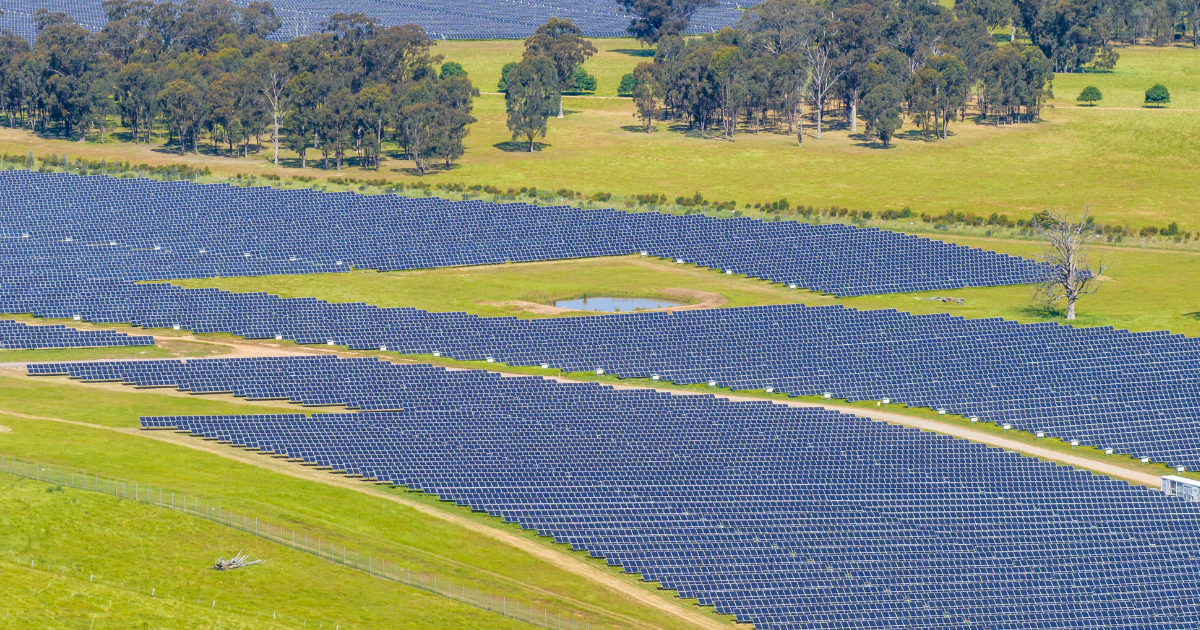
Captures sunlight using solar panels to produce electricity or heat water, providing a clean and abundant energy source.
Wind Energy:
Utilises wind turbines to convert the kinetic energy of wind into electricity, offering a powerful and renewable source of energy.
Hydroelectric Energy:
Generates electricity by harnessing the energy of flowing or falling water, typically through dams or waterwheels.
Geothermal Energy:
Extracts heat from beneath the Earth’s surface to generate electricity or provide direct heating.
Biomass Energy:
Converts organic materials like plant and animal waste into energy through combustion or biological processes, offering a way to use waste products for power.
Tidal Energy:
Harnesses the kinetic energy from ocean tides and currents to generate electricity, utilising the predictable and consistent movements of seawater.
Wave Energy:
Captures energy from surface waves or swells in the ocean to produce electricity, tapping into the power of oceanic movements.
5 examples of alternative energy companies
Pyrotech Energy licences technology and supports waste-to-energy industries, converting biomass into renewable energy, biofuels and bio-chemicals using mobile reactors.
Energy Farmers
Energy Farmers Australia uses an automated pyrolysis system to convert agricultural waste into biochar, aiding carbon storage and road construction, while exploring waste solutions for other industries.
NextEra Energy
NextEra Energy is the world’s largest renewable energy generator from wind and solar and a top player in battery storage. It also operates plants powered by natural gas, nuclear energy, and oil.
Amber Electric
Amber Electric offers transparent, sustainable electricity in Australia with a wholesale pricing model plus a fixed fee, focusing on renewable energy and real-time market insights.
Vestas
Vestas is the largest wind turbine company in the world who manufacture, sell, install and service wind turbines, onshore and offshore power converters, blades and towers.