
Guide to biosecurity in agriculture
Biosecurity in agriculture is critically important for both crop and livestock producers who wish to safeguard our nation’s food systems. Biosecurity for crop producers involves practices that prevent the introduction of harmful organisms, while biosecurity for livestock producers involves implementing animal health biosecurity to safeguard animal well-being and farm productivity.
What is biosecurity in agriculture?
Biosecurity in agriculture refers to the practices and measures taken to protect farms from the introduction and spread of harmful pests, diseases and invasive species.
What is a biosecurity measure?
A biosecurity measure may include controlling access to farms, regular health monitoring, or implementing sanitation practices.
For instance, Residual Barrier Technology (RBT) produces a range of eco-friendly disinfectants suitable for eradicating viruses, bacteria and fungi in animals and on crops.
Regular health monitoring is also crucial. For example, Global DX offers lateral flow tests that detect infectious diseases in animals, making biosecurity easy and immediate.
Our role as a producer in biosecurity is essential; we must actively participate in education, adhere to best practices, and collaborate with agricultural authorities to mitigate any imposing risks. By prioritising on-farm biosecurity, we can improve farm resilience, protect our livelihoods and ensure a sustainable future for agriculture amidst evolving threats.
How is biosecurity compliance monitored in agriculture?
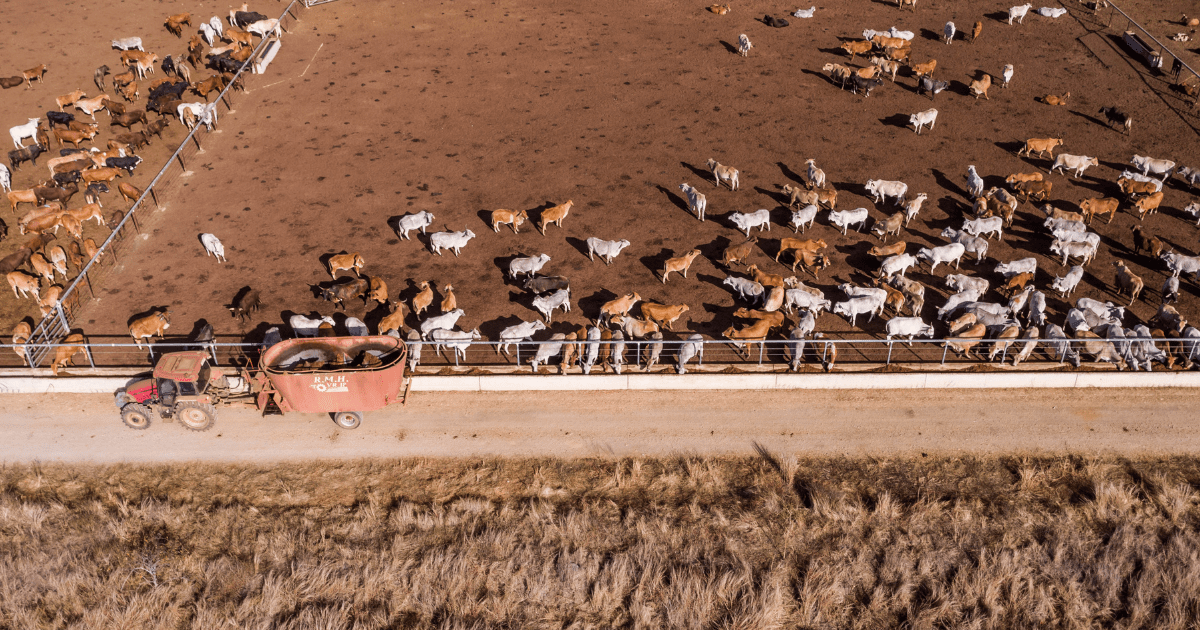
Biosecurity compliance in agriculture is essential for preventing the introduction and spread of pests, diseases and invasive species that can harm crops, livestock and the environment. Monitoring this compliance involves a combination of regulatory oversight, surveillance programs, audits and collaborative efforts among government agencies, industry and stakeholders.
The Biosecurity Act 2015 serves as the legal foundation for managing biosecurity in Australia and outlines the responsibilities of individuals and organisations in preventing harmful biological agents from spreading. The Department of Agriculture, Fisheries and Forestry (DAFF) who administers this legislation, conduct inspections, audits and enforce actions to ensure adherence.
As global trade and travel patterns evolve, Australia is continually facing new biosecurity challenges. The National Biosecurity Strategy provides a collective vision and outlines strategic direction to meet these future challenges. Endorsed by all agriculture ministers, this strategy is supported by an implementation plan that outlines governance arrangements and planning efforts for the next decade.
At the farm level, biosecurity compliance is managed through Farm Biosecurity Plans that specify measures to prevent pest and disease introduction. Regular audits by organisations like Meat & Livestock Australia (MLA) will assess compliance with those standards and help facilitate market access.
Continuous improvement of biosecurity standards, practices and technology through research and innovation is also important for meeting both current and future biosecurity threats. For example, the Plant Biosecurity Research Initiative Phase II (2021-23) supports cross-sectoral research to minimise the impact of pests and diseases on Australian plant industries.
Innovative technologies are also being explored, as seen in the collaboration between the agritech startup RingIR and DAFF, which investigates the use of technology to detect biosecurity pests.
By integrating these research and innovation efforts, Australia aims to strengthen its biosecurity compliance and protect its agricultural sectors from emerging threats.
5 biosecurity companies you should know about
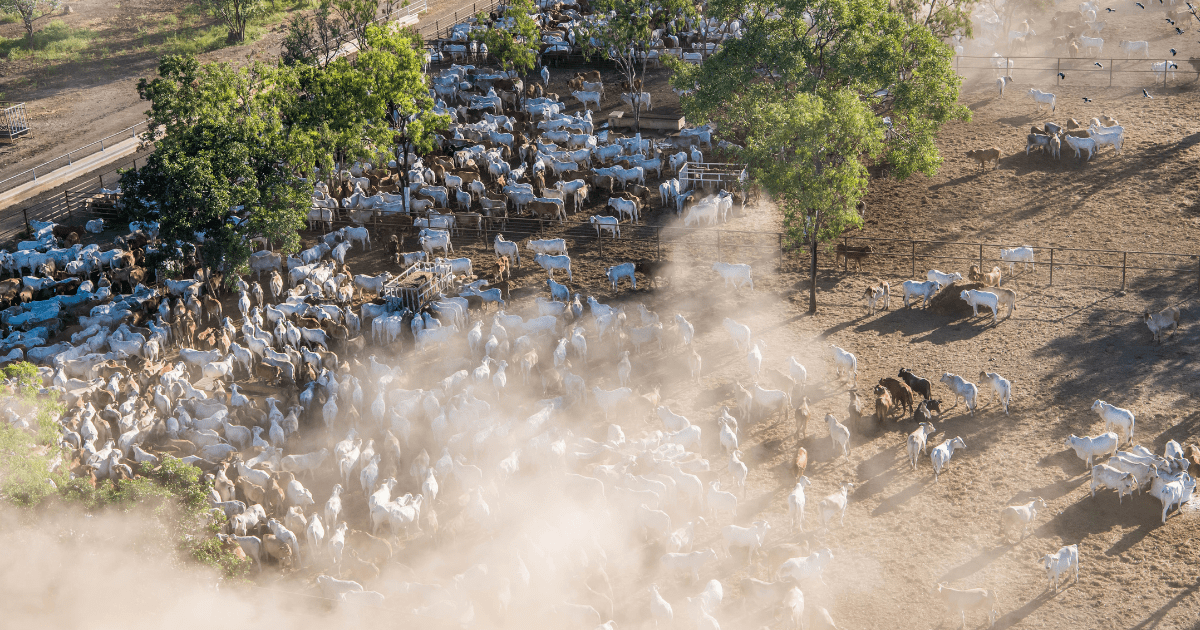
Organisations that focus on biosecurity and emerging threats play a critical role in safeguarding our nation's food systems. Here are five key organisations you ought to know:
- Universal Biosecurity: Universal Biosecurity develops innovative fumigation solutions that replace traditional toxic chemicals with non-toxic alternatives. Their patented technology is designed to be sustainable, efficient and applicable across many industries, including those operating in sensitive natural environments.
- Australian Plant Biosecurity Science Foundation (APBSF): established to continue the work of the former Plant Biosecurity Cooperative Research Centre, the APBSF invests in capacity building and international linkages to enhance Australia’s plant biosecurity capabilities.
- Centre of Excellence for Biosecurity Risk Analysis (CEBRA): the CEBRA conducts applied research aimed at mitigating the impacts of biosecurity breaches. Based at the University of Melbourne, CEBRA collaborates with government and industry to develop practical solutions for contemporary biosecurity challenges.
- Plant Health Australia (PHA): serves as the national coordinator for plant biosecurity efforts. Its mission is to minimise pest impacts, enhance plant health status, and support the sustainability of Australia's agricultural sectors through government-industry partnerships.
- Department of Agriculture, Fisheries and Forestry (DAFF): DAFF plays a critical role in managing biosecurity risks and strengthening agricultural export opportunities. By protecting Australia’s agricultural industries, DAFF ensures the safety and sustainability of the nation’s food systems.