Greenhouse Gas in Agriculture - the facts
Everyday farming practices can lead to the production of harmful greenhouse gases that can ultimately impact on climate change. However, gas-reducing agricultural practices and new technological initiatives are proving successful in combating the impacts of greenhouse gases, creating a framework for a more efficient and sustainable farming sector.
What is greenhouse gas?
Greenhouse gas refers to gases in the Earth's atmosphere that trap heat and warm the planet. Major greenhouse gases include carbon dioxide (CO2), methane (CH4), nitrous oxide (N2O), and fluorinated gases.
What is greenhouse gas in agriculture?
In agriculture, greenhouse gases are emitted through everyday practices and processes that are integral to farming. When these gases escape into the atmosphere, they create a blanket effect, known as the Greenhouse Effect, that traps heat and that can lead to climate change. That’s why it’s so important to recognise where these emissions are coming from and how they can be reduced.
What are the four main agriculture-related greenhouse gas emissions?
What are the main agriculture-related greenhouse gas emissions?
1. Carbon Dioxide (CO2):
Carbon Dioxide (CO2) is the most abundant greenhouse gas emitted by human activities, and agriculture is a major contributor. The primary offender is soil cultivation, caused when farmers till the land, disturbing the soil and releasing stored carbon into the atmosphere. The deforestation of farmland is another big contributor, as trees naturally absorb CO2. Plus, the use of fossil fuels to power farm machinery and transportation adds yet another layer to agriculture’s CO2 emissions, making these practices critical areas of focus for reducing agriculture's impact on climate change.
2. Methane (CH4):
Methane (CH4) is a potent greenhouse gas, and the primary source of methane in agriculture is enteric fermentation, a natural digestive process in ruminant animals like cows and sheep. Ruminant livestock produce methane during digestion, which is released through belching. As a result, manure management becomes an issue as their decomposing waste also releases methane into the atmosphere.
3. Nitrous Oxide (N2O):
The major contributor to nitrous oxide emissions is the use of nitrogen-based fertilisers, which improve plant growth but can lead to excess nitrogen being converted into nitrous oxide by soil microbes. Manure application and management practices can also release nitrous oxide as organic matter decomposes, which makes it important for farmers to adopt more sustainable practices, such as precision fertilisation and improved manure management.
4. Fluoridated gases:
Fluorinated gases, while not as commonly discussed in agriculture, have a higher heat-trapping ability than other greenhouse gases, making them potent contributors to global warming. Fluorinated gases are synthetic, and are often used in refrigeration, air conditioning and other industrial processes. In agriculture, fluorinated gases can be released through the use of certain fertilisers and pesticides, as well as from the breakdown of agricultural equipment containing these substances.
What are ways to reduce agriculture-related greenhouse gas emissions?
Reducing agriculture-related greenhouse gas emissions is a priority for many in the industry. Here are some proven ways to reduce greenhouse gas on-farms:
Reducing methane from livestock
Methane emissions from livestock contribute to approximately 10% of Australia’s total greenhouse gas emissions, and there are several strategies that can help reduce them. Optimising livestock diets, introducing more sustainable manure management practices and improved pasture management have all shown promise. Dairy Australia is actively seeking solution providers to investigate other feasible methane reduction technologies that could benefit the dairy sector.
Improving soil carbon storage
Improving soil carbon storage can be achieved by adopting sustainable practices like no-till or reduced tillage, which allows farmers to minimise soil disturbance and keep carbon locked in the ground. Crop rotations and cover cropping are also effective options, which not only boost overall soil health but also enable farmers to cut down on synthetic fertilisers which are notorious nitrous oxide emitters.
Implementing Precision Agriculture
Precision Agriculture technologies like GPS and data analytics allow farmers to apply important resources like fertiliser and water more efficiently, thereby minimising waste. This targeted approach not only reduces waste production, but also reduces nitrous oxide emissions and lowers fuel consumption for machinery, ultimately contributing to a more sustainable agricultural system.
While these methods and others have proven effective, the industry is constantly looking for new ways to reduce Greenhouse gas emissions. For instance, initiatives like the Development of New Emission Reduction Fund (ERF) Methods for the Pork Industry aim to harness innovative approaches for emission reduction. Similarly, the feedlot sector is striving to minimise its environmental impact with the Revision of Key National Greenhouse Gas Inventory Report Methods for Australian Feedlots research project. This project aims to update emission estimation methods, specifically for nitrous oxide and enteric methane, which would make it easier to implement effective emission reduction strategies.
Key technologies for reducing greenhouse gas in agriculture:
There are several innovative technologies currently in use across Australia, with many more being researched and rolled out. For example, AgriFutures Australia has recently launched a $2 million carbon initiative aimed at discovering new and innovative products, practices and technologies to improve carbon storage and reduce greenhouse gas emissions in the agricultural sector. Here are some noteworthy technologies to look out for:
Wastewater and Effluent Sterilisation: Australian Pork and the University of New South Wales have created a device that cleans and recycles wastewater from farms. This process eliminates harmful pathogens, allowing water to be reused while preventing methane emissions from decomposing waste.
Greenhouse Gas Accounting Platform: The AIA Environmental Accounting Platform helps farmers track their carbon emissions more accurately. By providing clearer data, farmers can identify areas to improve and reduce their greenhouse gas emissions.
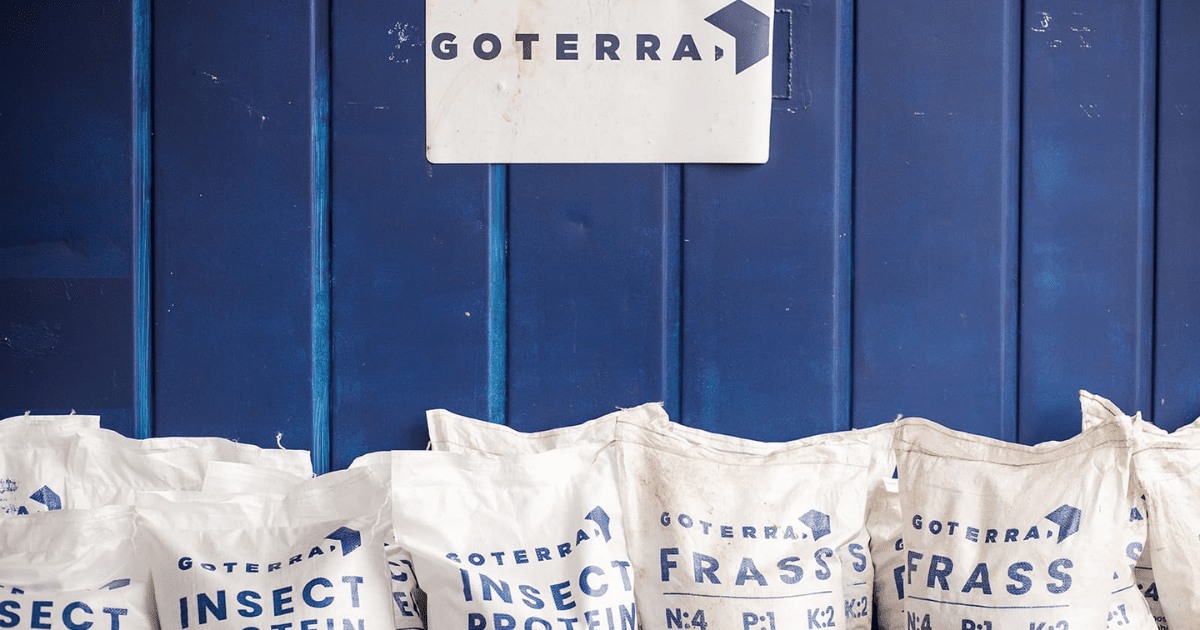
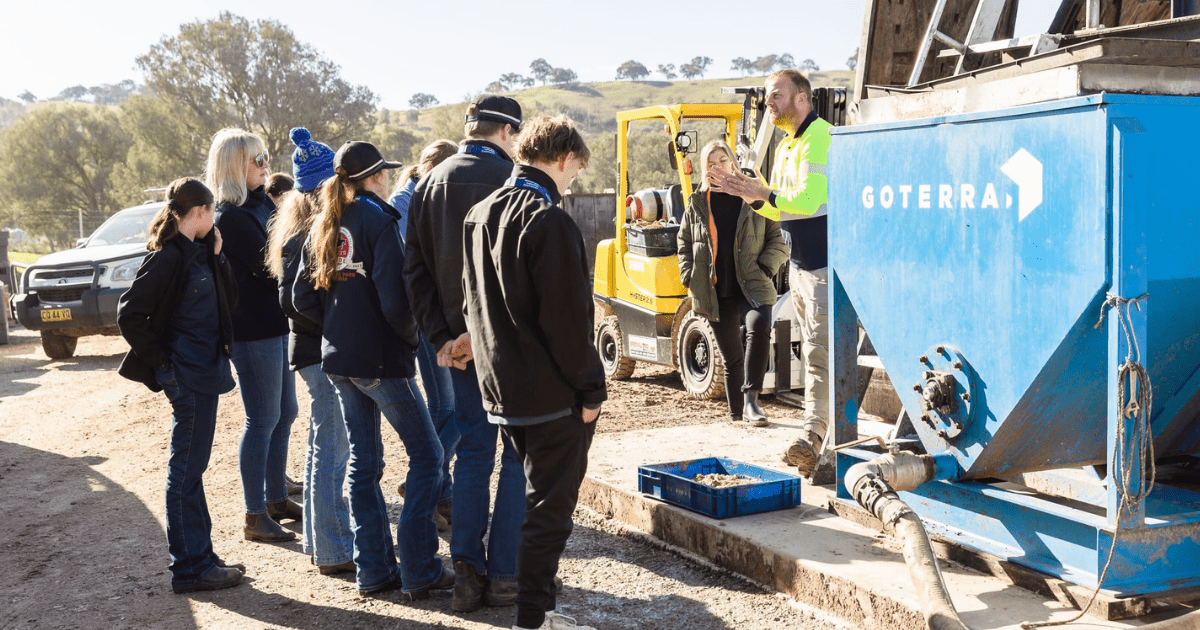
Food Waste Management with Goterra: Goterra uses insects to break down food waste instead of sending it to landfills. This process prevents the methane that would normally be released from rotting food, effectively reducing greenhouse gases in the atmosphere.
Nature Analytics: FLINTpro offers tools that help businesses assess their environmental impact, including greenhouse gas emissions. By understanding their emissions better, companies can make smarter choices to lower their carbon footprint.