
Backed by science, built for the supply chain: ROAM Agricultural launches $6.5M raise for natural methane solution
With a patented fungal strain, proven slow-release delivery and indicative potential for productivity improvement, ROAM Agricultural’s all-natural methane solution is designed for livestock producers whilst aligning with consumer values. Backed by science and built for real-world adoption, the startup is raising $6.5M USD to bring it to market.
Like a classic action movie where the scientists save the world, this tale began with Dr Abed Chaudhary, lead scientist at soil carbon prodigy, LOAM Bio, exploring the company’s fungal microbial library.
Searching for strains with environmental superhero potential, his focus soon turned to a more specific challenge: Could fungi reduce enteric methane emissions from cattle?
Scene #1: Where they find the magic mushroom
Abed was looking for a strain that could produce bromoform – a compound which interrupts methane production. And in vitro results looked promising, explained ROAM Agricultural CEO, Derek Peterson.
"The team isolated a fungal strain which produced significant amounts of bromoform, but it needed to be scalable beyond the lab.”
While seaweed-based methane inhibitors like asparagopsis rely on freeze-drying or oils to preserve and deliver bromoform, ROAM’s biomanufacturing process unlocked a new path: producing high volumes of naturally derived bromoform without problematic animal intake and tissue residue issues encountered by freeze dried or oil stabilised seaweed. And at a fraction of the cost.
“Because high cost will be a barrier to adoption for many livestock producers,” Derek added.
Scene #2: Where they overcome a key hurdle in scaling methane inhibitors: stability
They had the strain, and the manufacturing process. But the technical puzzle wasn’t solved yet. How would they put it in a format that the livestock industry would accept?
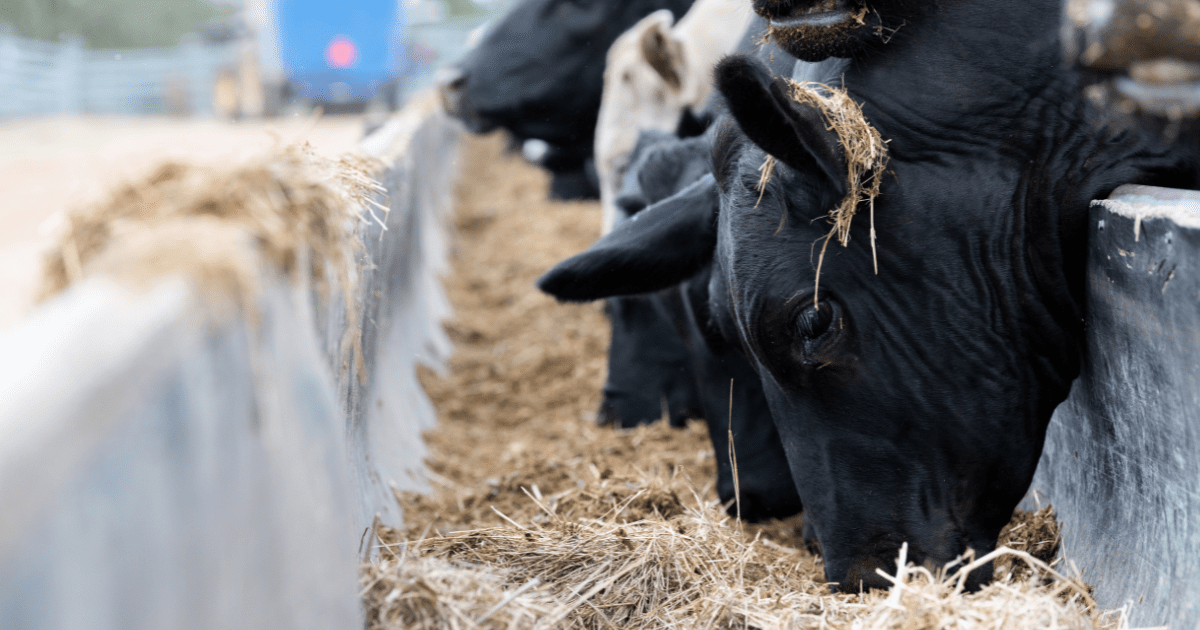
Bromoform is highly volatile and notoriously tricky to stabilise. Oil-based delivery methods like those used for asparagopsis aren’t really suitable for applications beyond the feedlot. They aren’t suitable for Australian grazing systems, which account for over 85% of enteric methane emissions.
That’s when ROAM Chief Operating Officer, Matt Callaghan, made a crucial leap.
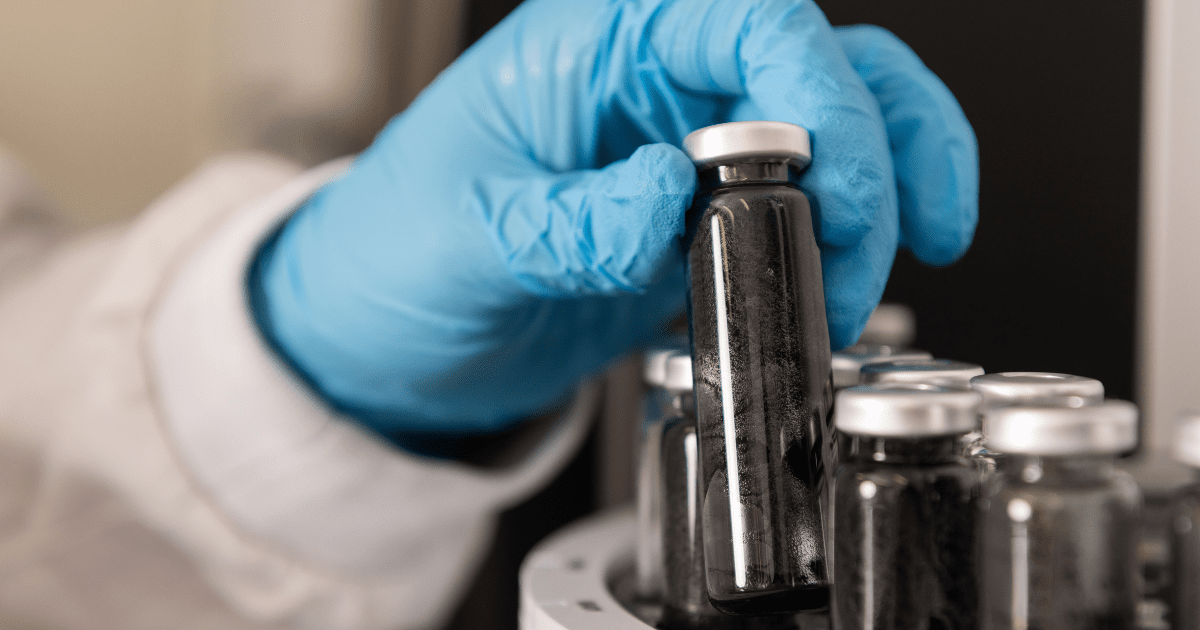
“Bringing 25 years of experience in livestock nutrition and stockfeed manufacturing, Matt's unlock was, ‘To give us the flexibility in delivery methods, it needs to be a dry powder,’” explained Derek.
“And it needs to be food grade, so consumers are comfortable with it. Because, as we saw with the Bovaer®10 blowback [the synthetic 3-Nitrooxypropanol feed additive] – right or wrong, fair or not, consumers don't want ‘synthetic pharma’ products in the food supply chain.”
A recent US survey backs this: natural feed additives like seaweed ranked #1 with consumers; synthetic Bovaer®10 bettered only animal cloning.
“This reinforces what we've believed from the start: consumers want climate-smart food systems, but they're not willing to compromise on how we get there.”
Scene #3: Where they solve the delivery challenge
After months of research, the ROAM team identified a food-grade carrier with a rare ability: it could hold bromoform and release it in a slow, linear fashion inside the rumen. “From a microbiome standpoint, it creates an environment where the things which lead to productivity increases – the volatile fatty acids, for example are not compromised,” explained Derek. “And we have zero issues with feed intake.”
Even more compelling, the solution delivers methane reductions equivalent to Bovaer®10 requiring just one dose daily, compared to Bovaer®10’s three.
Delivery options under development include incorporation of the carrier into loose lick, lick blocks, pellets, and a patent-pending controlled intra-ruminal release device (CIRRD), or “bolus,” to release actives directly into the rumen.
“We know the bolus needs around 6–9 months of linear release before we have a commercial product,” said Derek. “We’re currently having prototypes manufactured under commercial conditions.”
Methodically, ROAM is ticking the due diligence boxes that clear its path to market. The foundational research has just been published in a peer-reviewed journal, and further validation has been recently completed through a CSIRO cattle study demonstrating methane abatement efficacy in a grazing context – also set to be peer reviewed.
“We've tested blood, we've tested faecal matter, and there is not evidence of bromoform bypassing the rumen or no unintended environmental impacts,” said Derek. “Everything we do is in alignment with US and European product registration requirements” he added, noting there’s currently no regulatory framework setting standards for these products in Australia.
Scene #4: Where they prep for scale
As an ex-Wall Street banker turned entrepreneur, Derek brings both conviction and capability to the role of ROAM CEO.
“They wanted somebody to orchestrate the seed round, dissect ROAM from the parent company, LOAM Bio, and put together strategic relationships to bring the products to market.”
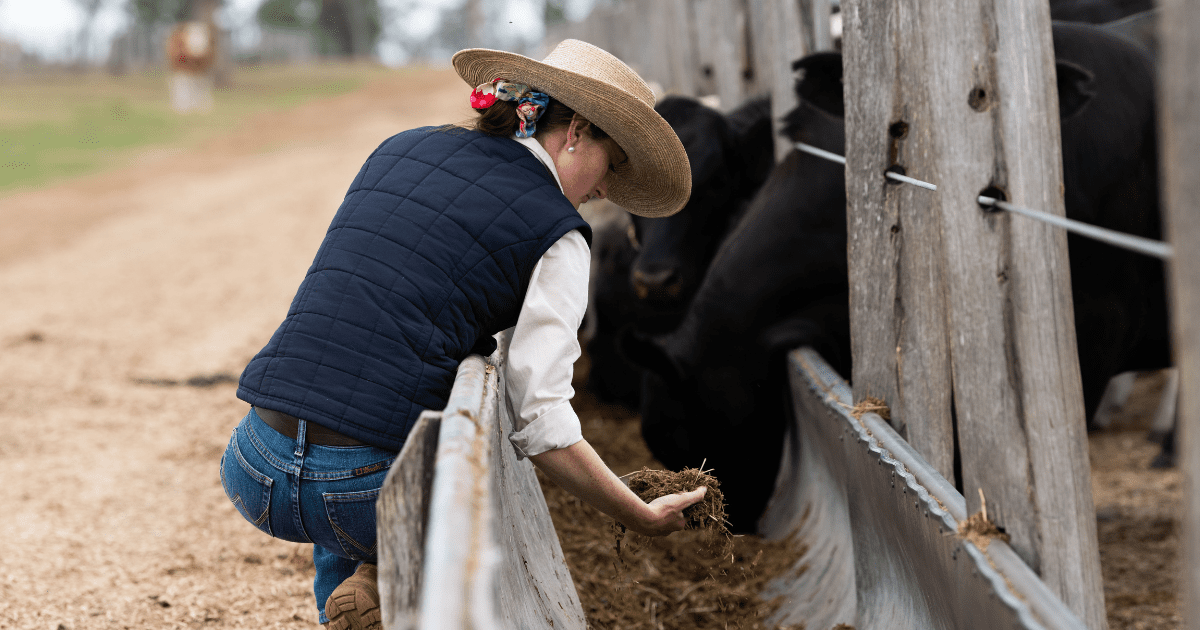
ROAM is on a 20–24-month path to market, with several workstreams running in parallel: finalising its R&D pipeline, completing a dedicated manufacturing facility, and building the delivery systems that suit real-world grazing conditions.
The R&D pipeline goes to ROAM’s ‘nth degree’ approach to due diligence. “Even though there's no domestic regulatory framework, we know the red meat and dairy supply chains won’t use a feed additive unless they know it doesn't have an impact on the end product retailed to consumers,” said Derek.
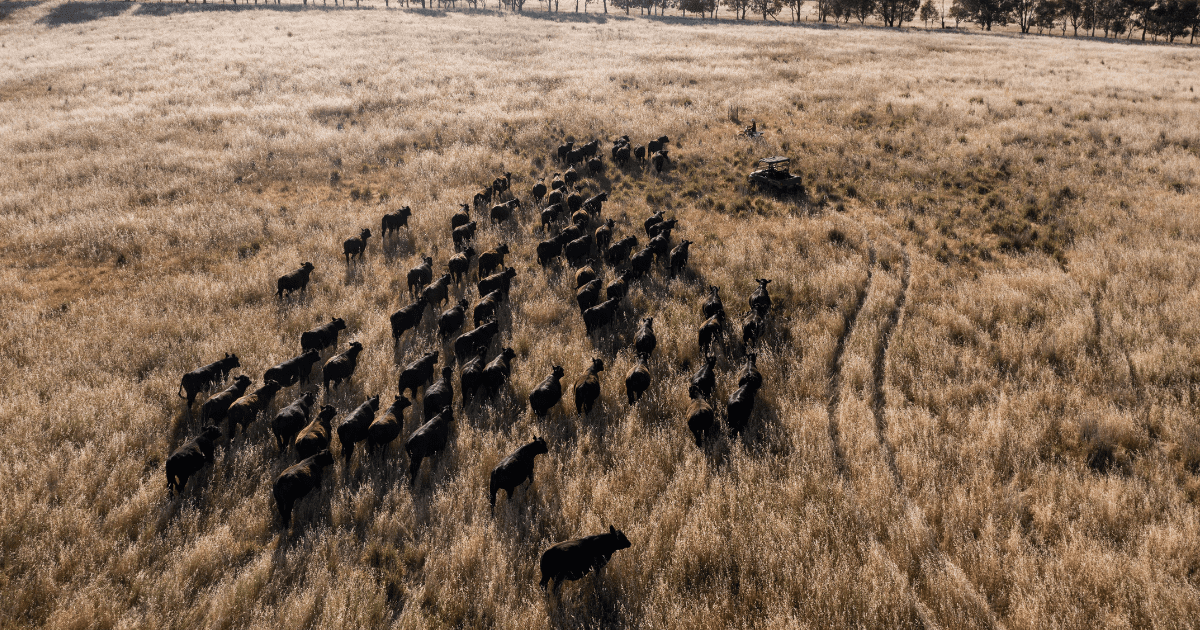
And while he can’t say who, strategic partners in the red meat supply chain are close to completing due diligence in the final steps before investing in ROAM, with further plans for collaborative large-scale field trials and providing pathways to the market. It’s a critical partnership as ROAM works to finesse delivery mechanisms that work in grazing systems – where the majority of Australia’s beef herd emissions come from.
Scene #5: Where just $6.5M USD can unlock a $25 billion domestic market
With the red meat industry committed to carbon neutrality by 2030, ROAM’s naturally-derived, scalable solution couldn’t be more timely.
The $6.5M USD seed round aims to accelerate its next growth phase.
“We’re shooting for a June close,” explained Derek. “We’ve already secured about 25% through the strategics [those who provide not only funding, but industry-specific expertise, networks, and resources.]”
“And we have a couple of smaller funds coming in. But we’re looking for a lead investor to construct the transaction.”
The Australian beef industry’s $25 billion value underscores the size of the methane prize for those who get it right. With nature as its foundation and validation at every step, ROAM has emerged as a credible, consumer-aligned, science-driven answer to one of the livestock sector’s biggest climate challenges.